
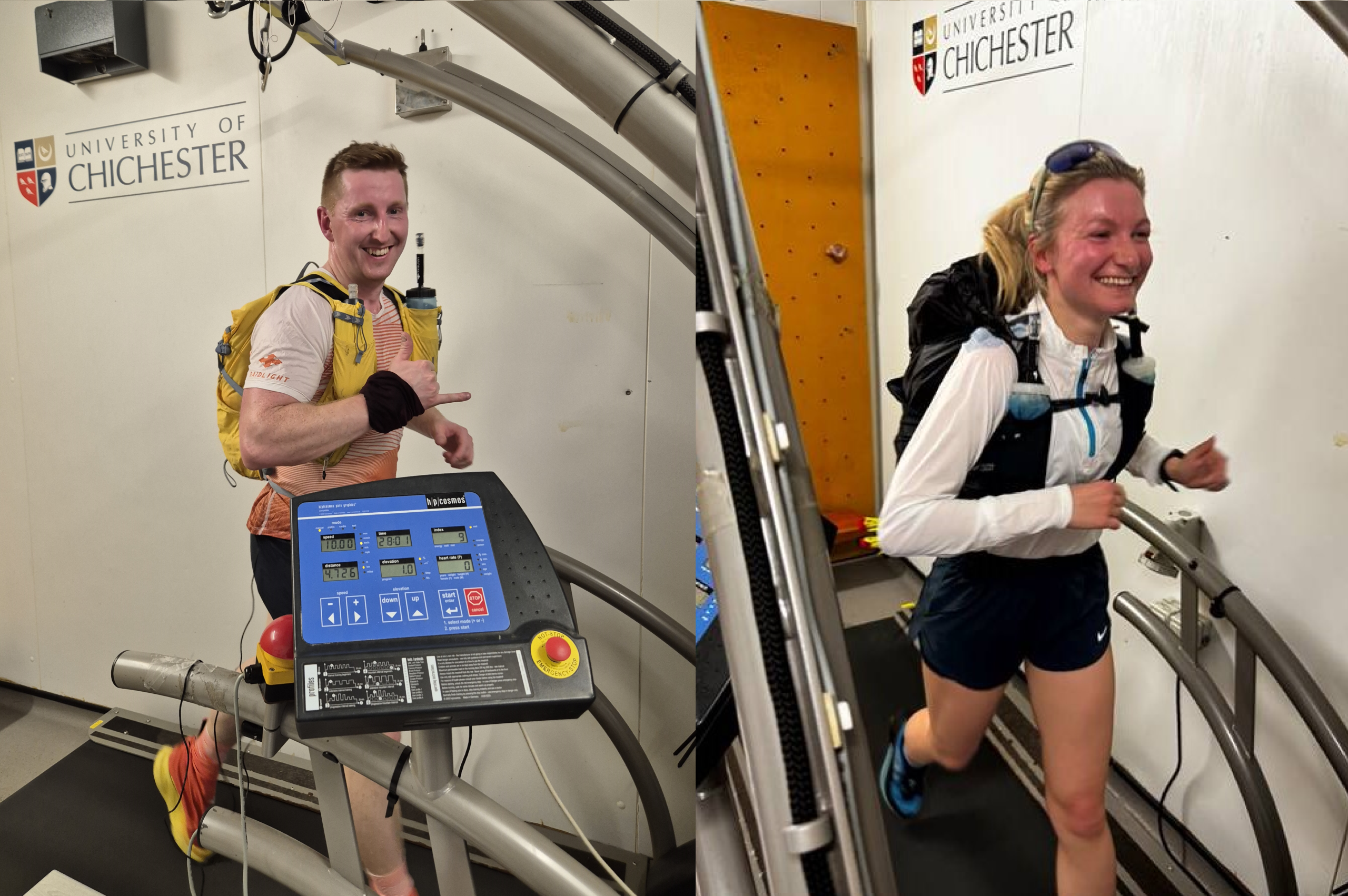
Four athletes supported by the University of Chichester’s Sport Performance and Rehabilitation Unit (SPRU) completed one of the world’s most gruelling endurance events – the Marathon des Sables – last month.
Run across seven days and 250 kilometres of Saharan desert, with temperatures reaching 40 to 45°C, the race is widely considered ‘the world’s toughest footrace’.
It’s the second consecutive year that every athlete the SPRU has supported through the event has completed it, with three athletes placing in the top 30 of their age groups.
The athletes’ preparation included a multi-day heat acclimation programme in SPRU’s environmental chamber. The process involves carefully raising core body temperature above 38.5°C to trigger physiological adaptations – changes that help the body cope more efficiently with extreme heat. Athletes also received detailed performance data, including core temperature readings and sodium loss measurements, giving them a precise picture of how their bodies respond under stress.
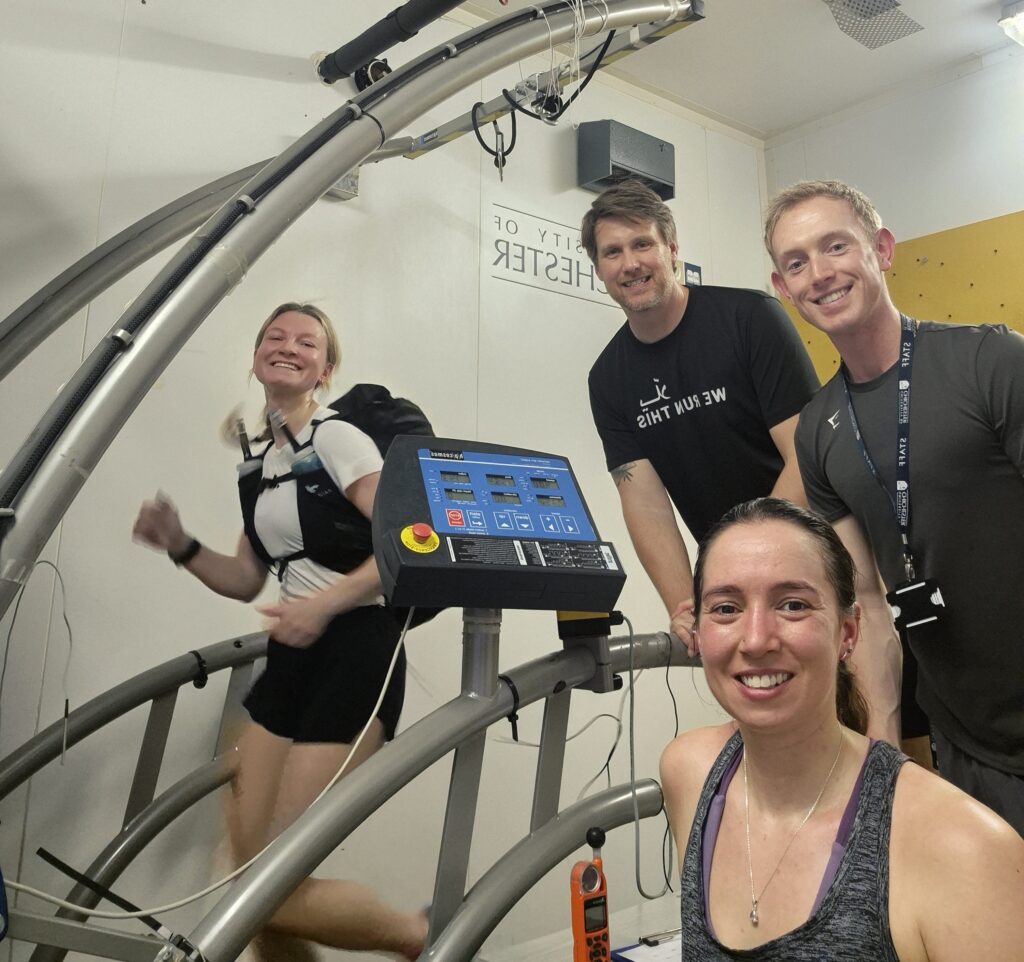
One athlete, Charley Rogerson, said: “On day one of the Marathon des Sables I could already feel and see that I was one step ahead of everyone else because my body had adjusted. Mentally, I removed a massive barrier of concern – which was how I would deal with the heat- because I already knew.
“The heat chamber sessions and the tangible outcome was which were given to me afterwards in a graph meant that I understood exactly how to best prepare my body for the race and what to do during it to make sure the heat, the biggest concern for most, wouldn’t be an issue for me.”

Paul Hawes, who placed eighth in his age category, said: “At 65 years young and entering the Marathon des Sables I had my doubts how my body would react to covering 250km in the Sahara over seven days, combining heat, feet and what to eat and carrying a 10kg backpack with everything I needed for that week.
“I will forever be grateful to the team at the University of Chichester for the expertise and support in their heat chamber. The performance data included my core temperature and loss of sodium and gave me all the knowledge on how to manage my body insuring I had the best possibility of finishing. And that’s exactly how it’s ended, a triumphant experience and one I will never forget. Many thanks to all the team who helped get me across the line.”
Every element of the programme was delivered by students who gained valuable hands-on experience that classroom learning alone can’t replicate. The team included PhD students and research assistants alongside undergraduate and postgraduate students across programmes including BSc Sport and Exercise, MSc Nutrition and MSc Physiology.
Exercise Physiology PhD students Marcus Peach and Andy Briggs said: “Supporting the Marathon des Sables athletes has been a fantastic opportunity to develop our practical, professional and personal skills alongside the experienced practitioners of the SPRU.
“Having the unit as a base to interact and support incredible athletes is something we truly value; and having the guidance and encouragement from the staff is something we don’t hear about from other universities. We are very excited to continue working together and achieving such amazing results.”
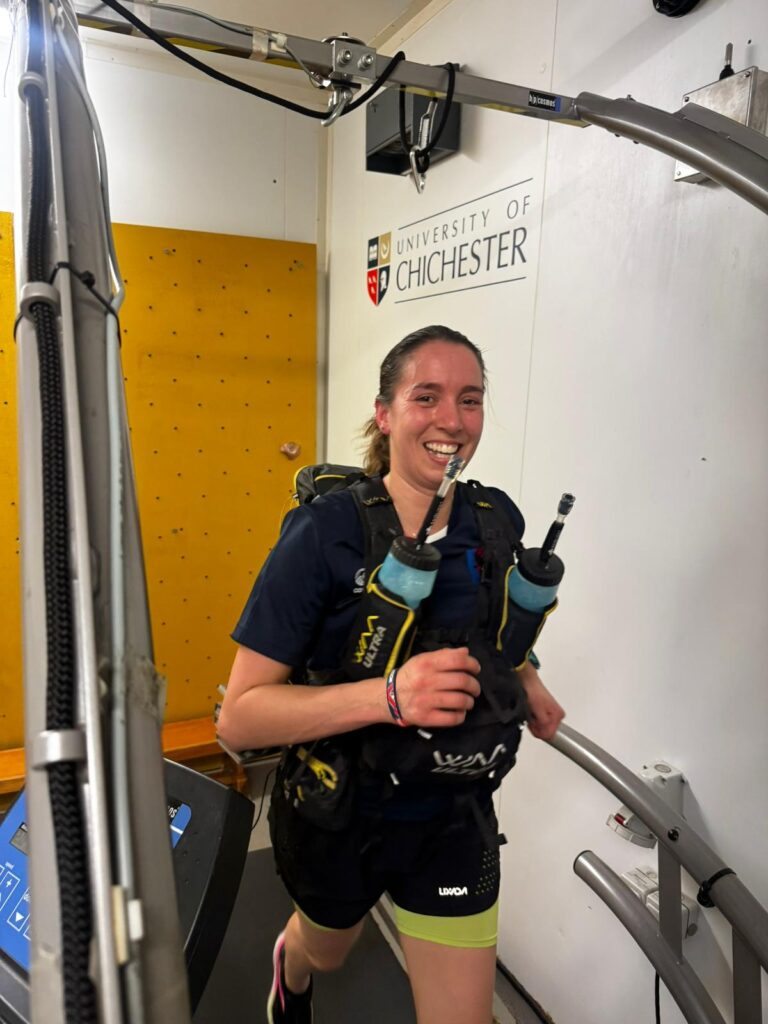
Dr Andy West, Senior Lecturer in Exercise Physiology, said: “These Marathon des Sables results highlight the value that the SPRU brings to student’s development here at University of Chichester. It offers undergraduate and postgraduate students hands-on experience that they wouldn’t get elsewhere. The fact the unit itself is run by students who participated in our work placement positions evidences how we help create effective practical scientists.”
Several more heat acclimation programmes are planned for later in 2026. To find out more, visit: https://www.chi.ac.uk/collaborate/business-and-employers/access-to-expertise/sport-expertise/sports-performance-and-rehabilitation