
New research from the University of Chichester has revealed how cutting-edge technology could revolutionise local energy trading, making it cheaper, smarter and more sustainable.
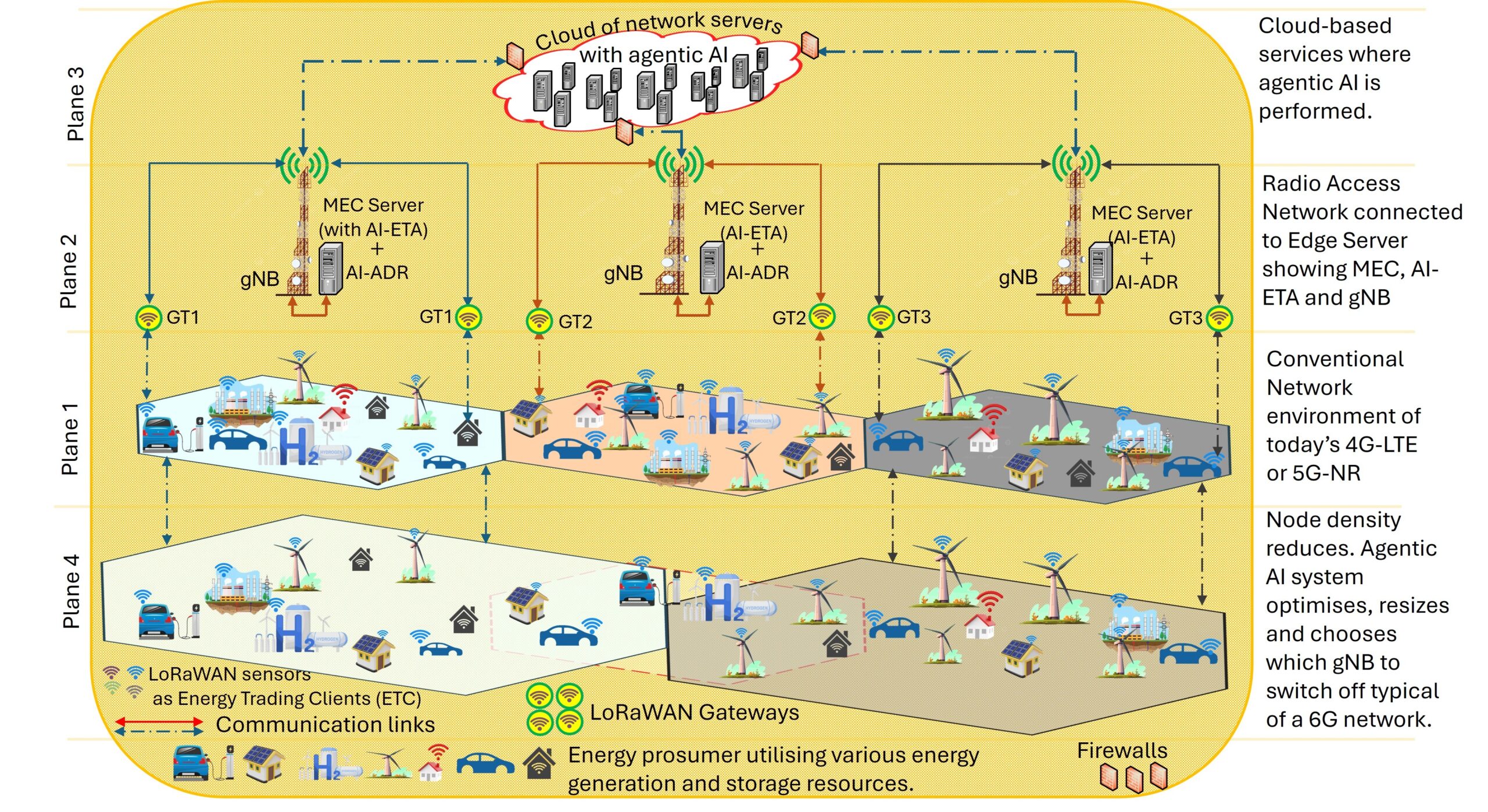
The study, led by Senior Lecturer in Electrical Engineering Kelvin Anoh, shows how homes and businesses can form virtual microgrids without changing existing power infrastructure. Using AI, connected devices and a system called “cluster zooming,” the network can automatically adjust in real time, depending on how many people are buying and selling energy.
For example, a household producing energy from rooftop solar panels may have excess energy that can be bought and stored by a neighbour with an electric vehicle. The technology can configure a network of homes, increasing the network as needed to ensure there are enough homes to trade power and that needs are evenly distributed.
The findings are significant. The model suggests energy trading costs could fall by up to 40%, while network running costs could drop by more than 20%. It also shows that over 70% of energy could be traded locally, reducing waste and cutting emissions.
This approach could help create more resilient, self-managing energy communities and support the development of future 6G networks, and marks a shift towards fully autonomous energy systems.
Kelvin Anoh said the research aims to lower energy bills, reduce waste and encourage more people to generate and trade their own energy. He continued: “This work aligns with global and national priorities, including the United Nations Sustainable Development Goals, Net Zero targets, and the UK Clean Power 2030 agenda. Widespread adoption could make energy systems more sustainable and equitable, recognising that energy is the lifeblood of any economy.”
He added that the study brings together existing technologies, such as peer-to-peer energy trading and the Internet of Things (IoT), with newer advances in AI and machine learning, while also preparing for future developments like 6G.
The research supports global and UK goals on sustainability and highlights the potential for more efficient and fair energy systems.
To read the full paper: https://ieeexplore.ieee.org/document/11437543