
 X310
Overview
Begin your journey towards becoming a skilled Early Years practitioner
Do you know that you want to work with children but haven’t yet decided what area of Early Years to go into?
This degree will give you the chance to experience all areas of Childhood to give a better foundation for choosing which career path you wish to take.
Develop your knowledge and skills
Our BA (Hons) Childhood course offers an exciting range of modules, designed to increase your understanding of children and to develop your practice skills and knowledge.
Study areas include:
- Child development
- Children’s behaviour
- Safeguarding
- Special educational needs and disability (SEND).
Practical placement options
With a minimum of two practice placements, you will be able to make critical links between theory and practice, building your confidence as an early year’s practitioner.
We believe it is invaluable to link theory that you learn on the degree, with practice. Alongside the placement opportunities on this course, we’ve introduced an optional qualification element to this course to enhance your employability prospects.
Gain your Graduate Practitioner Competencies
In the final year, this course offers you the option to complete a third practice placement in order to gain your Graduate Practitioner Competencies, enhancing employment opportunities within the early years sector.
If you follow the Graduate Practitioner pathway in your final year, you will graduate with both a practical and an academic qualification at Level 6. Many of our students also choose to specialise further in a career pathway such as teaching or social work.
Recognised qualification
Our BA (Hons) Childhood degree is a recognised qualification by the Department of Education.
This means you will gain a ‘full and relevant’ qualification, which is important should you wish to work in an early years setting and be included in an employer’s staff to child ratio.
On this course you will:
- Investigate, understand and analyse the fast-changing landscape of working with young children.
- Pursue specialisms that allow you to centre your learning around your passions.
- Gain practical experience in different early years settings.
- Provide a firm foundation for a career within educational settings.
The Course
Develop your practice skills and knowledge of working with children
Our diverse and interesting range of modules, taught by our highly experienced and engaging lecturers, ensure that you will graduate with knowledge and skills that are highly sought after.
Modules
This list is indicative and subject to change.
- Culture, Diversity and Overcoming Prejudice
- Child Development
- Introduction to Children’s Health and Wellbeing
- Introduction to Academic and Professional Skills
- Play and Creativity
- Safeguarding and Integrated Practice
Culture, Diversity and Overcoming Prejudice
This module aims for you to develop cultural awareness, promote respect for diversity and develop an understanding of the roots of prejudice. Through discussion and activities, it will encourage you to reflect on personal attitudes and unconscious bias.
You will consider the impact of cultural heritage, poverty and diversity on education and lived experience and will make clear links to the Sustainable Development Goals.
Child Development
This module introduces you to the nature of developmental psychology and encourages a critical understanding of psychological theories in relation to children’s development. Implications for practice within Early Years curriculums and policy will be explored.
The relationships between different domains, such as biological, social, emotional and cognitive will be investigated. The idea that development is not fixed at ages and stages, but instead is influenced by social and historical contexts will be introduced.
Links between theories of child development and how they under pin and inform practice within the Early Years sector will be explored.
Introduction to Children’s Health and Wellbeing
This module aims to introduce you to the concept of health and wellbeing, as well as the various factors that influence a child’s health. You will explore different perspectives on the definitions of health and wellbeing, gaining a deeper understanding of the holistic aspects of health.
There will be a focus on children’s developmental understanding of health and wellbeing, alongside an examination of the impact of both short-term illnesses and long-term conditions.
The module will also examine the overall health of children within the nation, identifying key areas of concern. You will explore health inequalities and the factors contributing to the decline or improvements in children’s health. Both the short-term and long-term consequences of children not achieving optimal health and wellbeing will be discussed.
You will be introduced to the roles of the multidisciplinary teams in the health and education sectors, focusing on how they support children’s health and wellbeing. Additionally, you will explore the connection between these practices and the health frameworks in both sectors, along with their alignment to government policies and initiatives.
By the end of the module, you will have developed a solid foundation of knowledge to support children’s health and wellbeing across education, social care, and health settings.
Introduction to Academic and Professional Skills
The aim of this module is to develop your understanding of professional and academic skills, including academic writing, reasoning, argument, and critical thinking.
You will be introduced to a range of literature and study a range of different approaches to topics that are covered within your subject areas. You will develop digital literacy skills to support professional readiness, including CV writing and employability skills.
Play and Creativity
This module will explore the role of play and creativity in child development. This will include definitions and characteristics of play as well as different types of play.
You will examine the theoretical perspectives and research that underpin the study of play in childhood. There will be guidance and encouragement to foster an awareness of how cultural, social, and historical contexts shape the nature and value of play and creativity.
Areas explored in the module will include the influence of technology on traditional play and the role of play in education, including the impact of play-based learning on academic achievement. You will discuss barriers to play and the impact of over-scheduling and the decline of play in modern society.
Play as a right will be explored using the United Nations Convention on the Rights of the Child and the Sustainable Development Goals. You should also explore your professional role in advocating for the value of play in communities and the education system.
Safeguarding and Integrated Practice
The aims for this module are to enable you to develop your knowledge and understanding of the child safeguarding agenda and underpinning legislation.
You will be introduced to current debates around children’s rights within the current and relevant political frameworks. The complex inter-relationships between protection and rights will also be explored.
You will develop a clear understanding of your duty to safeguard and the reporting responsibilities that accompany this in practice. This module will consider the history and development of safeguarding legislation, policy and practice for children and young people, including those who are most vulnerable, set within the context of the spectrum between conception and the age of eighteen.
Your own values will be challenged, and the impact your own beliefs can have on your working practice will be addressed. The module content will place the notion of safeguarding the child within the context of need and risk and will explore key concepts that impact this.
You will explore signs and symptoms of abuse, issues of disclosure and confidentiality, and the appropriate referral process if you are worried about a child. The notion of Safeguarding Children will be placed within the context of Children’s Rights, and debates surrounding children and concepts of childhood in our society.
- Childhood, Poverty and Sustainability
- How to Research
- Understanding Children’s Behaviour
- The Resilient Child
- Working with Families
- Observation, Assessment and Planning
Childhood, Poverty and Sustainability
This module introduces you to the interrelated and interconnected themes of childhood, poverty and sustainability. The contemporary nature of poverty including definitions, measurements, causes, impact and solutions will be explored in connection to children.
Sustainability in its various forms (with reference to the United Nations’ Sustainability Development Goals) will be investigated, including inter-connections with Childhood and poverty. Key theories, concepts and debates will be introduced and discussed.
How to Research
The module aims to promote an understanding of research in the field of Childhood and to develop awareness of ‘research mindedness’, i.e., qualitative, quantitative and mixed research approaches.
The module will help prepare you to conduct primary research for your independent project. It will introduce skills such as planning, using a range of research methods, collecting and evaluating empirical material, and opportunities to analyse, interpret and synthesise data.
Controversies over different research approaches will be debated, as well as the suitability of different methods for different research questions, including concepts such as objectivity, subjectivity, and validity in researching the social world. It will include questions about research ethics and issues around reflexivity.
Understanding Children’s Behaviour
This module will enable you to develop knowledge and critical understanding of the differing theoretical perspectives on children’s behaviour.
Factors relating to children’s specific needs, family, Early Years settings, wider society and culture will be critically analysed, including concepts and principles of inclusion.
You will have the opportunity to explore theories, significant and emerging, relating to the psychology of children’s behaviour and how to support them.
You will also explore a range of factors relating to children’s behaviour. Other influences, including our own values and belief systems, will be reflected on.
You will explore through case studies how to provide for and support children’s behaviour and emotions within settings, working with and in partnership with others.
The Resilient Child
The module will make links to current theory and practice and discuss and evaluate concepts of resilience. It will explore strategies that can be used by professionals to support the development of resilience in children. Key themes will include: ACEs, theories of containment, emotional safety, trauma informed practice, and promoting resilience.
You will experience a variety of learning and teaching opportunities during the module. Formal lectures will be complemented by appropriate activities to embed learning. Process groups will be facilitated by a group leader and will provide a safe forum to consider how personal experience and opinions may influence professional practice in relation to emotional wellbeing and resilience.
The module relies upon your participation to maximise learning opportunities. Indicative reading will be circulated for specific topics to form the basis of group work, debate, and exploration of issues. Visiting speakers will be used when available.
Working with Families
The aims for this module are to enable you to develop your knowledge, understanding, and skills of working empathically with families facing adversity. You will consider the impact of family circumstances on the developing child and begin to explore the practitioner role in building an alliance and working with resistance.
Often the children and young people that we are working with will have shared adverse experiences, and family factors may have played a significant role. This module will help to prepare you to work with children and young people by first recognising the importance of respect, understanding, and compassion when building relationships with the child’s support network, holding in mind that these family members may be facing their own personal difficulties which may impact their level of support or availability for the child or young person.
You will use a recorded medium to demonstrate your growing skills in building the therapeutic alliance or parent-setting relationship. You will use this opportunity to utilise peer review and develop your skills as reflective, holistic practitioners.
Observation, Assessment and Planning
The module will introduce you to the way in which theory is linked and applied to effective Early Years practice. The Early Years Foundation Stage curriculum will be explored, including aspects relating to the “observe, plan, do and review cycle.” You will be introduced to the concept of reflective practice and how this can support your professional development.
Consideration will be given to inspiring learning environments and how to adapt these to deliver aspects of the early years curriculum. You will debate concepts linked to observation, assessment and planning and how to ensure assessment is effective and inclusive. You will develop your reflective practice skills. This will all be set within the context of the current socio-political climate.
- Children, Stories and the Media
- Independent Project
- Special Educational Needs and Disability
- Therapeutic Play
- Outdoor Education and Learning
Children, Stories and the Media
Students will use children’s stories and the media to explore current and past constructs of childhood. Specific examples of stories and media are used to consider the wider social, cultural, and educational issues that surround their production and consumption.
The module analyses the ways in which children engage with these areas and explores a range of theories from different disciplines that seek to understand the nature of this engagemen
Independent Project
Childhood is a multidisciplinary subject; the final independent project allows you to use conventions from a broad range of disciplines.
The independent project is designed to engage you in a longer-term and analytical piece of research on a topic relevant to the aspect of Childhood you are studying. This might include research that fits into either a qualitative and/or a quantitative framework.
Special Educational Needs and Disability
The central aim of this module is to develop a critical understanding of the issues that surround special educational needs and disability (SEND) in society and Early Years settings, with reference to government policy initiatives and legislation.
The history, economic and social dimensions of issues relating to special educational needs and disability will be explored, along with an analysis of the impact upon children, families and working practices. The origins and meanings of related terminology will be explored and debated. Students will be encouraged to analyse and reflect on their experiences of working with children in education and/or care settings.
Therapeutic Play
This module aims to explore and critically analyse the centrality of play in enabling children to make sense of the world around them and their own place within that world, especially when experiencing trauma. It will analyse the role of the adult in understanding a child’s experiences through a therapeutic perspective of play.
The module will critically reflect upon different therapeutic modalities. A range of focused interventions which benefit children will be experienced and analysed. It will also consider the relevance and importance of the theoretical underpinning of the field of Play Therapy.
Outdoor Education and Learning
The aim of this module is to consider learning beyond the classroom. It will introduce students to, and offer experiences in, innovative and adventurous environments in which children can develop, learn and play such as Forest Schools and Beach School.
The module examines theoretical, psychological, physical and social processes, and the influences on children and professionals/teachers that come with activities away from conventional environments.
The module considers the history context and theory that has shaped our understanding of outdoor education. The module enables students to appreciate the broad environmental, activity and learning opportunities that exist, and how these can benefit children, professionals and practitioners.
Teaching and Assessment
Feel the support of our staff as you gain confidence in your abilities
Teaching
You will learn from expert practitioners and accomplished academics with a wide range of experience within the field of Childhood .
We bring new research together with established theory into the classroom through a mix of direct teaching, seminars and activity-based learning.
Within your learning sessions, you will be challenged to go further and be encouraged to be proactive, responsive and responsible for your own learning and ideas outside of the classroom.
Our focus on group discussion and the consideration of the thoughts of others allow you to develop your own ideas.
Assessment
It is important that our assessments are designed to meet the various learning needs of students.
We offer a variety of assessment methods that include presentations, assignments, exams, academic posters and placement portfolios.
We also encourage our students to publish their work. Past students have had articles accepted in sector publications such as Early Years Educator.
Experience
Discover facilities and staff that help support your learning
Bishop Otter campus
Click to watch our virtual tour of our historic Bishop Otter campus in the heart of Chichester.
Close community
Our commitment to a friendly and close-knit student community contributes to a high degree of success for our graduates.
Learning Resource Centre
The Learning Resource Centre (LRC) contains the library, a café, IT/teaching rooms and the Support and Information Zone (SIZ).
Library
Our campus library holds more than 200,000 books and over 500,000 eBooks.
Expert staff
Learn from expert and experienced teaching staff who are here to support your needs.
Subject specific librarians
If you have difficulty finding material for an essay, seminar or project, subject librarians will be happy to provide assistance.
Family Festival
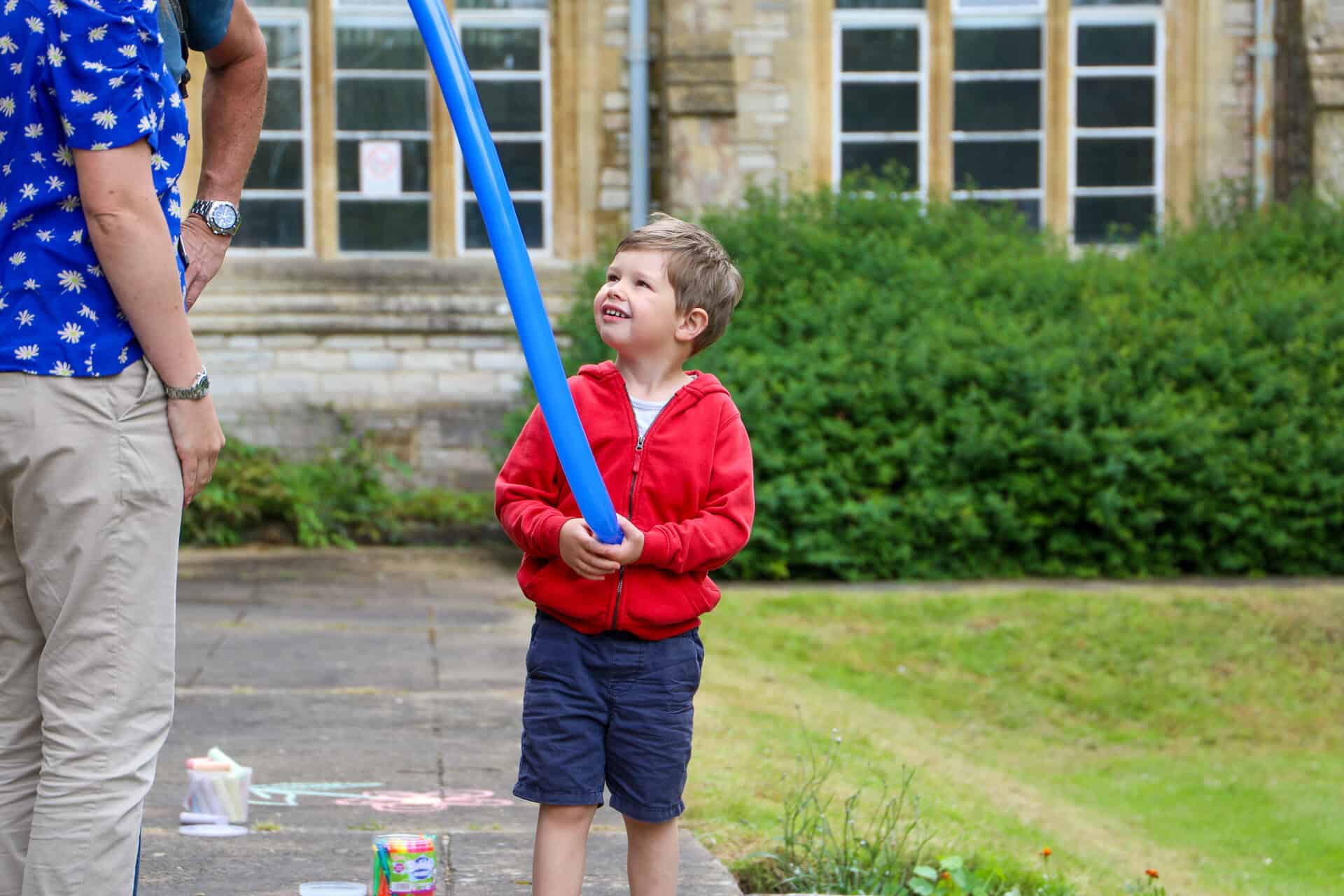
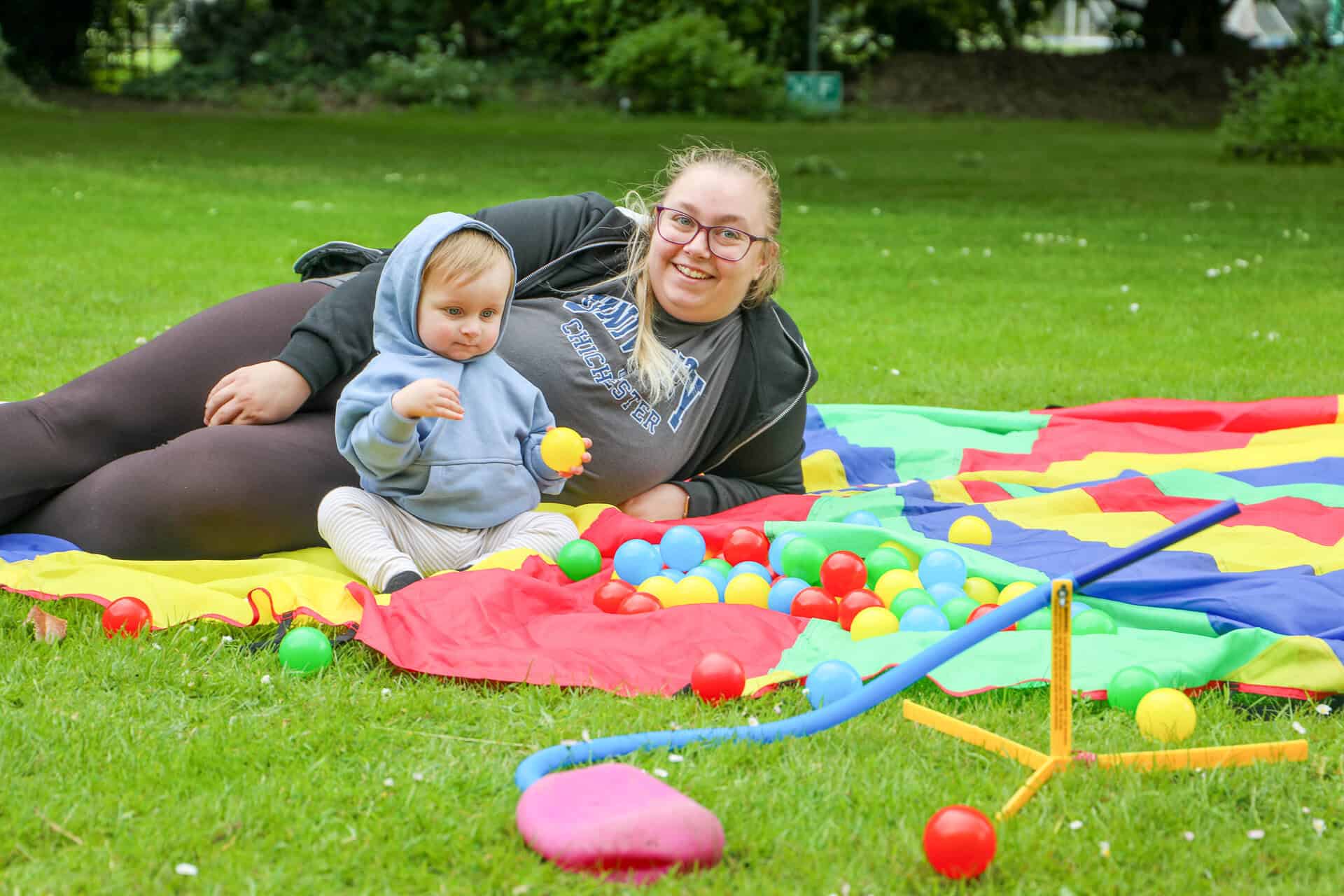
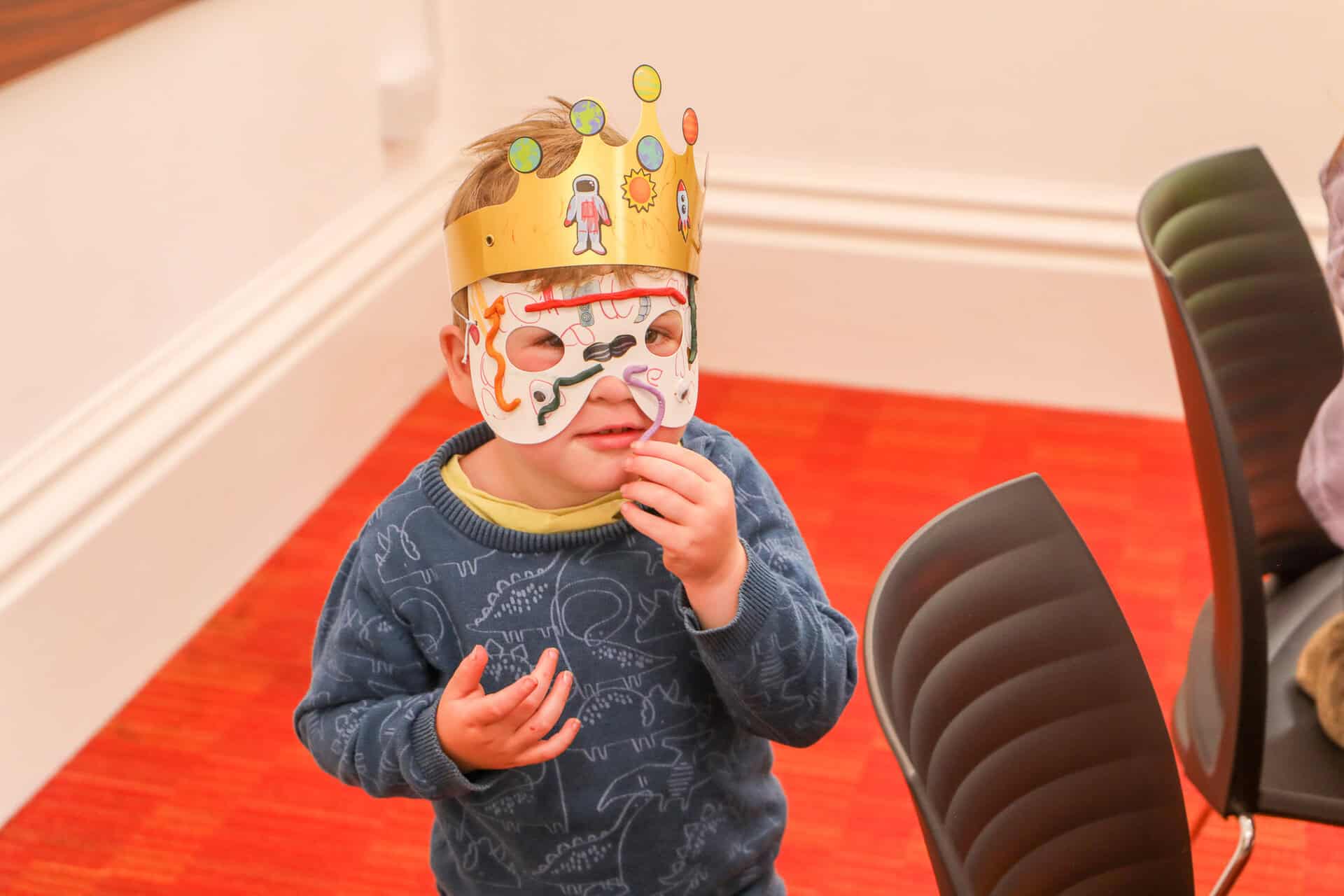
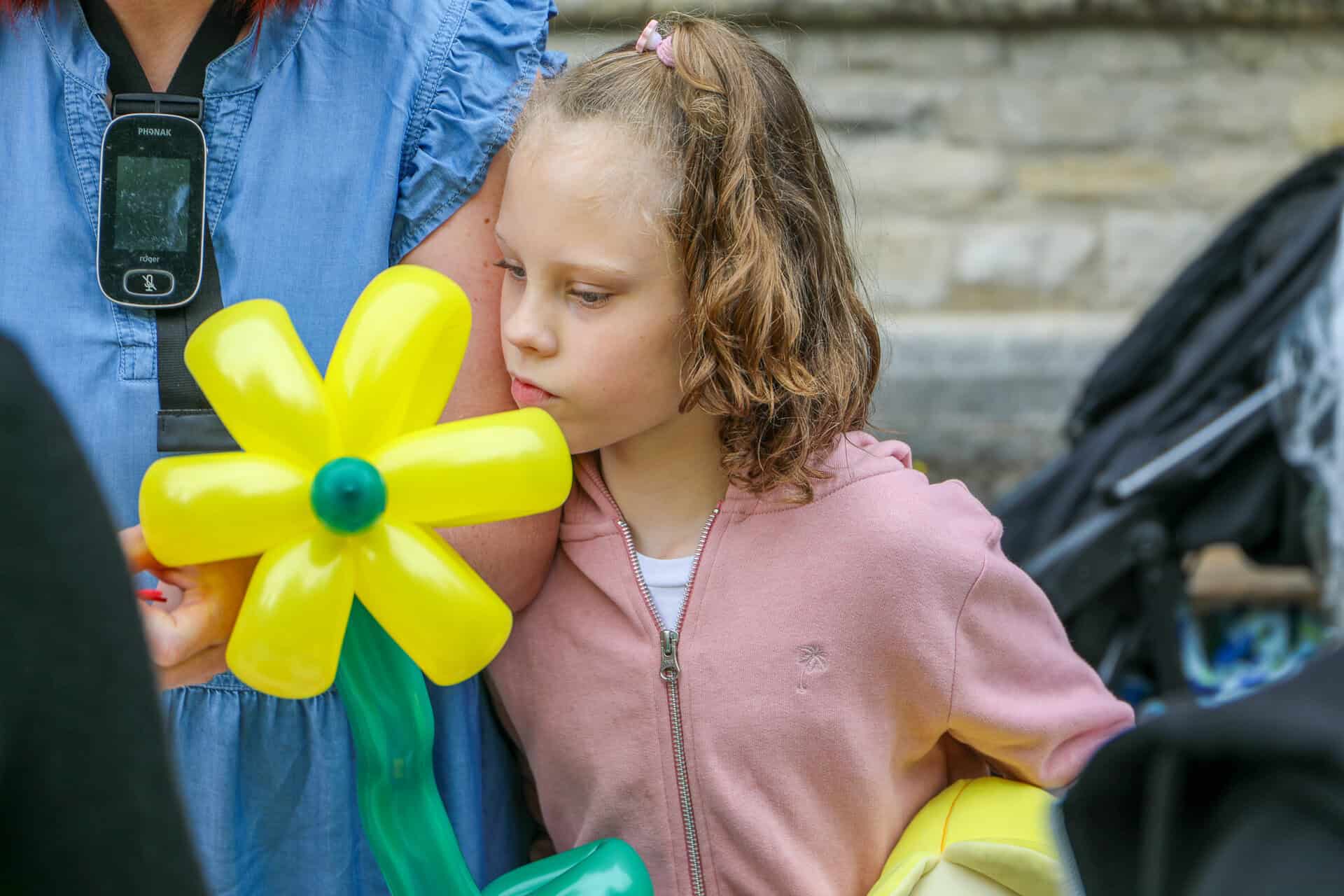
The Childhood and Social Work department organised the inaugural Family Festival in response to student feedback. There were many free activities for students and their families to participate in and the day was a huge success. There is something special about the way we listen to our students and then turn this into practical action and support.

 Amy
BA (Hons) Childhood graduate
The module choices on the course meant I always had something I was interested in and engaged me which kept University fresh and exciting. The hands-on activities during lectures made them so much more fun: sensory experiences, forest schools, Story sacks. the list is endless! Every tutor is so keen on keeping you interested and making the theory you learn easily transferable into the real world.

Kat
BA (Hons) Childhood graduate
I enjoyed how practical our lectures were. We went to the forest schools and had a go at different activities. It allowed us to get in the mindset of the child and fully understand how it can help learn. I found the lecturers so supportive. If I ever had a question, I knew there was someone to go to ask for help or the check I was doing something right. It felt like a family away from home, which provided a safe, trustworthy environment where you can provide personal experiences.
Work Placements
Gain vital experience within a professional environment to support your learning
As part of our BA (Hons) Childhood, you will gain the opportunity to experience placements during both your second and third years.
These placements will allow you to work directly within local early years settings as you apply your theoretical learning within a real-world classroom environment.
Placements are assessed, which means you will exit the course with the equivalent of the Department for Education (DfE) full and relevant requirements for Early Years practice.
We have incorporated the option of the Graduate Practitioner Competencies into your placements, which allows you to finish the course as a Graduate Practitioner.
On this course, you could gain a total of 80 days of work-based placements. You’ll get the chance to attend three different registered organisational settings to gain a mix of experience. You’ll also gain the opportunity to work with babies, 3-5 and 5-7 year olds.
The placements gained in Years 1 and 2 (Level 4 and 5) will be counted as ‘full and relevant’ which means with this degree, you will be counted at Level 3 in staff-child ratios.
- Year One – 25 days
- Year Two – 30 days
- Year Three –25 days – Graduate Practitioner Competencies (optional placement).
If you choose to take our dedicated third-year placement module, you will receive a separate certificate stating that you have been awarded the Early Childhood Graduate Practitioner Competencies.
International Exchange
See our opportunities for incoming and outgoing international study
Whether you are considering studying here and want to take either a semester or year out to study abroad, or if you are currently studying at a University which has a partnership with the University of Chichester – engaging in an international exchange study programme enriches and broadens your educational experiences.
Outgoing students
As a student at the University of Chichester, you will have the opportunity to study at one of our partner institutions in your second year of study.
Students have found it to be an amazing experience to broaden their horizons, a great opportunity to meet new people, undertake further travelling and to immerse themselves within a new culture.
See our Outgoing Exchanges page for more information.
Incoming students
Coming to study at the University of Chichester, you will be welcomed into our community and discover a new culture. The city of Chichester is a beautiful and historic place for you to get to know.
You are also close to the lively cities of Brighton, Portsmouth and Southampton as well as a train journey away from London.
Integrated Foundation Year Option
Build your academic knowledge, skills and confidence before your studies begin
Are you interested in studying for an early years degree but feel you would benefit from a better foundation of knowledge? Then the BA (Hons) Childhood with Integrated Foundation Year is an ideal option for you.
This four-year route will build your academic skills and enable you to confidently embark on an undergraduate degree, as you focus on work with young children up to the age of eight after building a strong foundation of academic knowledge.
Studying at university can be challenging, so this course includes an introductory year to build your academic knowledge, skills and confidence.
This course offers
- An additional year to build academic skills.
- Lower entry requirements than the main degree pathway.
- More insight into education degree pathways and careers.
- Includes a school placement to give you a taster of a career in teaching.
Learn more about our BA (Hons) Childhood with Integrated Foundation Year option.
Careers
Develop your career opportunities within early years professions
With this degree, you can pursue a career as an Early Years Practitioner.
You’ll foster and develop the abilities, social skills and understanding of children aged three to five, focusing on optimum child development and preparation for a successful transition to primary school education.
Possible career paths include:
- Early Years management
- Teaching
- Health and social care
- Policy-making
- Nursery management
- Hospital support
- Outreach worker with family centres
- Community development.
University of Chichester alumni who have completed a full undergraduate degree at the University will receive a 15% discount on their postgraduate fees.
Course Costs
Course Fees 2027/28
UK fee
£10,050
International fee
£17,354
EU/EEA Fee Reduction Scholarship
EU/EEA students automatically pay the equivalent of UK fees via the EU/EEA Fee Reduction Scholarship
For further details about fees, please see our Tuition Fees page.
For further details about international scholarships, please see our Scholarships page.
To find out about any additional costs on this course, please see our Additional Costs page.
Course specific costs
You will be required to have a satisfactory enhanced Disclosure Barring Service (DBS) check costing £52 which needs to be paid for before the start of the course.
Entry Requirements
UCAS
104
tariff points from A levels or combination with Extended Project / BTEC / Cambridge Technical.
A Levels
BCC
T Level
Merit (with C in the Core)
in Education and Early Years.
BTEC
DMM
Cambridge Technical
DMM – MMM
CACHE Level 3 Diploma
B/C
in Early Years Education and Care (Early Years Educator).
Access to HE Diploma
Pass
IB
26-28 points
GCSE English Language
Grade 4 / C or above
Contextual offers
We believe everyone deserves an equal opportunity to pursue higher education, regardless of their background.
When we receive your application we consider your personal circumstances and the factors surrounding your achievements to see if you are eligible for a contextual offer. This is an offer with a reduced entry tariff – typically the equivalent of 16 fewer UCAS points (two A-level grades).
Applicants who are predicted to achieve two or more (A-level) grades better than the published typical offer will normally be made the typical offer, rather than a reduced offer. For example, where the predicted grades are BBB, and the published typical offer is BCC, a BCC offer would be made.
Find out more about our contextual offers.
DBS
BA (Hons) Childhood applicants are required to have an enhanced Disclosure Barring Service check which needs to be paid for before the start of the course.
We strongly suggest that all students sign up for the Disclosure and Barring Service update service for which there is a small annual charge, this makes the DBS portable both during and after the degree.
Failure to sign up for the update service might require the student to gain a further enhanced Disclosure and Barring Service check which will incur additional costs.