University of Chichester academic leads effort to set up first mental health guidelines for Esports
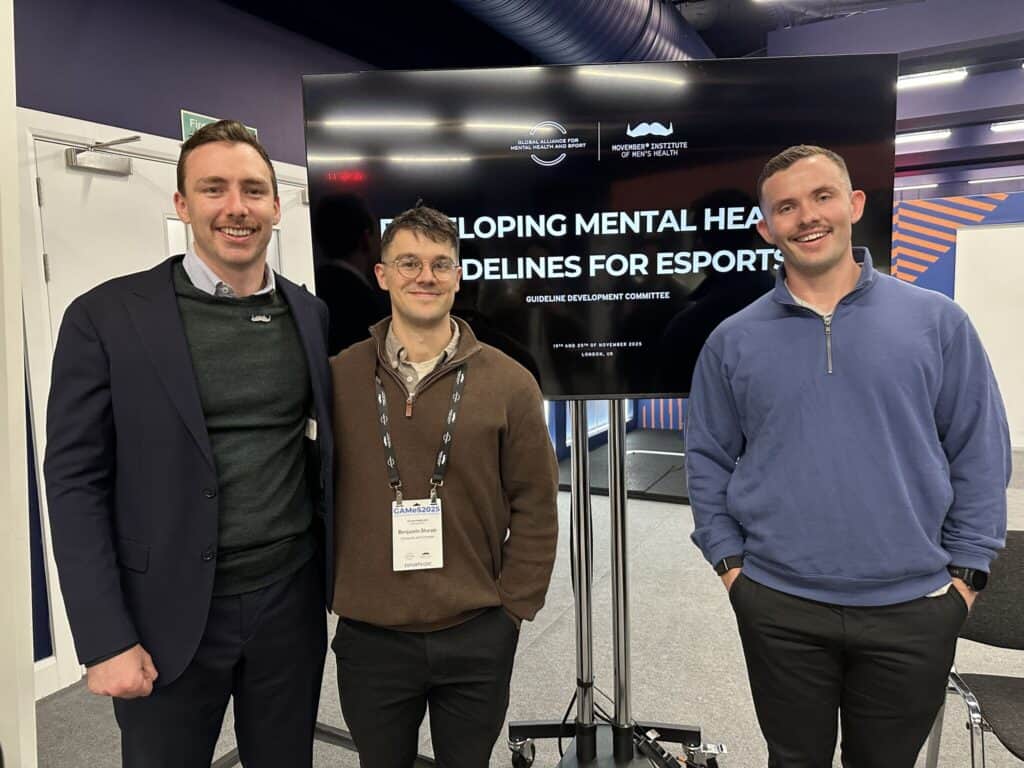
Dr Benjamin Sharpe, Senior Lecturer in Cognitive Psychology at the University of Chichester, has played a key role in developing the world’s first international, evidence-informed mental health guidelines for esports players. The landmark initiative, supported by Movember and convened in London last week, brought together 24 international leaders from across the esports, mental health and sport sectors.
The project represents the culmination of 18 months of rigorous foundational research, including a published scoping review of esports mental health literature, focus groups with players exploring their lived experiences and support needs, and a Delphi study involving international esports mental health experts.
Dr Benjamin Sharpe explains: “Esports players face unique mental health challenges, with 82% of elite players reporting anxiety symptoms, 25-37% experiencing depression, and 96% encountering cyberbullying, yet 70% lack access to mental health support. What stood out most during our committee meetings was the shared commitment across researchers, practitioners, and industry leaders to create safer, healthier environments for players worldwide. These guidelines will provide the first evidence-informed framework to support mental health and wellbeing in esports.”
Dr Sharpe served as part of the scientific team supporting the International Esports Mental Health Guideline Development Committee (GDC) throughout two intensive days of consensus-building meetings, held alongside the Global Alliance for Mental Health and Sport (GAMeS) Conference. Dr Sharpe’s involvement reflects the University of Chichester’s growing reputation in esports psychology research and education, further highlighting Dr Sharpe as an international research leader in esports.
The committee was led by Dr Dylan Poulus, Senior Research Fellow at Movember, with Dr Sharpe working alongside Dr Poulus and Dr Mitchell Nicholson, Postdoctoral Research Fellow at Southern Cross University, to identify key priority areas that will form the foundation of these groundbreaking guidelines.
Dr Dylan Poulus said: “Movember see esports and gaming as a unique way to connect with a traditionally hard to reach demographic. I hope that developing international mental health guidelines for esports will catalyse ecosystem-wide change and protect the mental health of 10s of millions of esports players.”
The diverse committee also included representatives from major game publishers such as Riot Games, tournament organisers including BLAST and ESL FACEIT Group, global and national governing bodies like the Global Esports Federation and British Esports Federation, and community organisations. Traditional sport and safeguarding experts from the International Olympic Committee, Safe Sport International, and Equimundo: Center for Masculinities and Social Justice also contributed their expertise.
Mental health professionals on the committee represented a multidisciplinary group of sports and clinical psychologists, psychiatrists, and leading esports academics, bringing expertise across elite performance, safeguarding, clinical practice, and youth mental health.
The work ahead will see the GDC continue to write, pilot, and implement these guidelines across global esports ecosystems, with the goal of creating safer, healthier, and more sustainable environments for esports participants worldwide.