New biodiversity projects get students thinking green
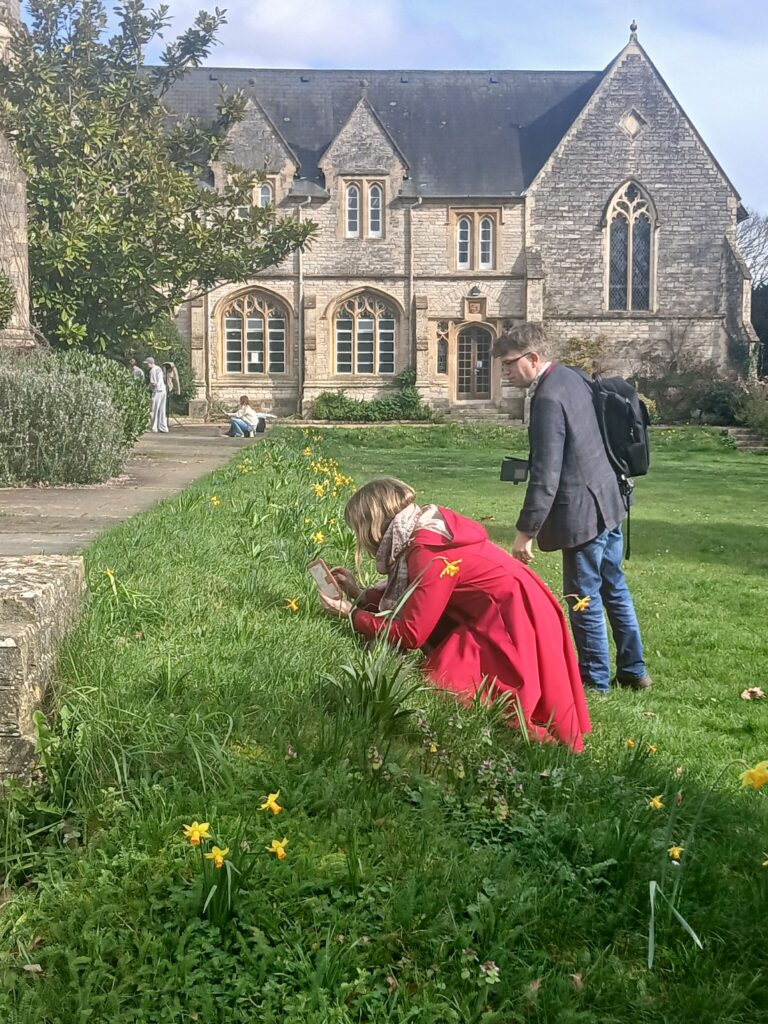
A new biodiversity app designed by researchers at the University of Chichester is helping students to think more about their environment. The app encourages students and staff to record and map biodiversity on and around campus. This provides data to support conservation efforts, while also examining how everyday engagement with nature influences wellbeing, pro-environmental attitudes and behaviour.
Dr Valentina Canessa-Pollard, Senior Lecturer in Psychology at the University of Chichester, is leading the project alongside James Stiller, Leanne Haywood, Sam Bell and Esther Burkitt. She said: “Our app uses an interactive map of the campus to allow students to complete green tasks, from spotting wildlife to taking photos and reflecting on their experience of nature. Users get points for each task completed, rewarding them for engaging with nature on their doorstep. Rewards mean users are more likely to associate their actions with a positive outcome and repeat them in future.”
The app, which is funded by the Research Innovation Fund, is currently being trialled on campus, with hopes to develop it further with local communities, subject to external funding.
The University is also part of a pioneering pilot scheme called ‘Nature Friendly Grounds’, which is delivered in partnership with environmental charity SOS-UK. As one of only 12 universities and colleges in the country to take part, Chichester students will be helping embed biodiversity through Bioblitz surveys, as well as improving habitats for nature.
Over 16% of UK species are currently under threat, and the UK is one of the most nature-depleted countries in the world. By taking part in citizen science projects, students can help measure the effects of human activity and the climate crisis on species abundance and map seasonal trends.
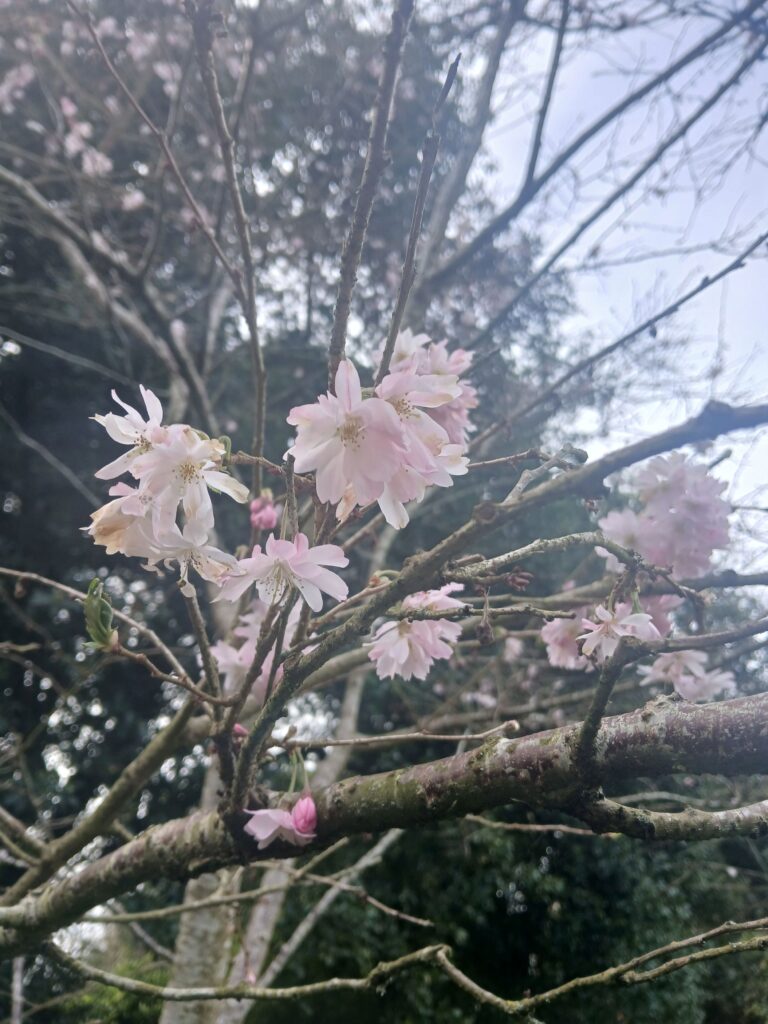
This week students took part in the first Bioblitz survey on the University’s Bishop Otter campus in Chichester, recording as many species of plants, fungi and animals as possible in a short space of time. Students used the iNaturalist app to record their discoveries, which will help create a map of every sighting recorded on campus over time.
These initiatives reflect the University’s commit to sustainability and are part of its wider Sustainability Strategy. The university is working hard to reduce its impact on the planet and send environmentally conscious graduates out into the world. For more details of current sustainability projects, visit https://www.instagram.com/uoc.sustainability/