
Contact
Get in touch with our press office
We are here to help with any media enquiries about The University of Chichester’s world-leading research, latest student news and corporate issues. We can also put you in touch with our academic experts to arrange interviews.
All media enquiries should be emailed to the university’s press office which is press@chi.ac.uk.
The university runs a small press office and reserves the right to prioritise responses at busy times. Journalists are asked to clearly state the publication they write for (or where they will pitch the story if freelance) and their deadline.
Rachael Page – Press Officer
- Email: press@chi.ac.uk
- For urgent out-of-hour enquiries, contact the press team on 07876 885601
Request to join our press list to receive our press releases via email.
Media experts
Find one of our expert staff to speak on their specialist areas
Browse our experts

Becky Edwards
Senior Lecturer
Areas of expertise include:
- Homelessness and addiction
- Refugees and asylum seekers
- Care-experienced young adults (care leavers)
- Prisoners (ex and current)
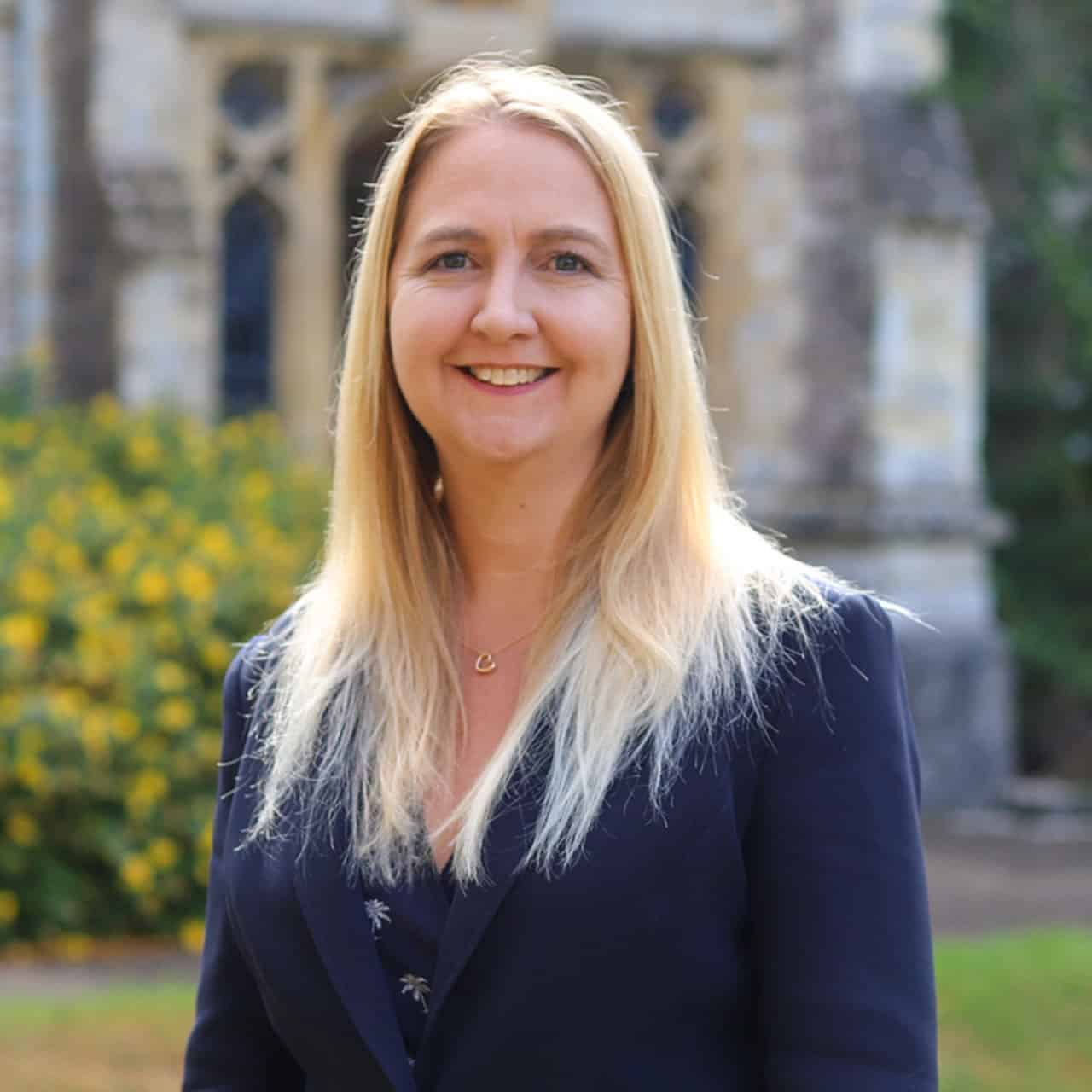
Dr Amy Elkington
Programme Leader and Senior Lecturer in Law
Areas of expertise include:
- Criminal Law
- The application of criminal defences
- Duress as a defence to murder
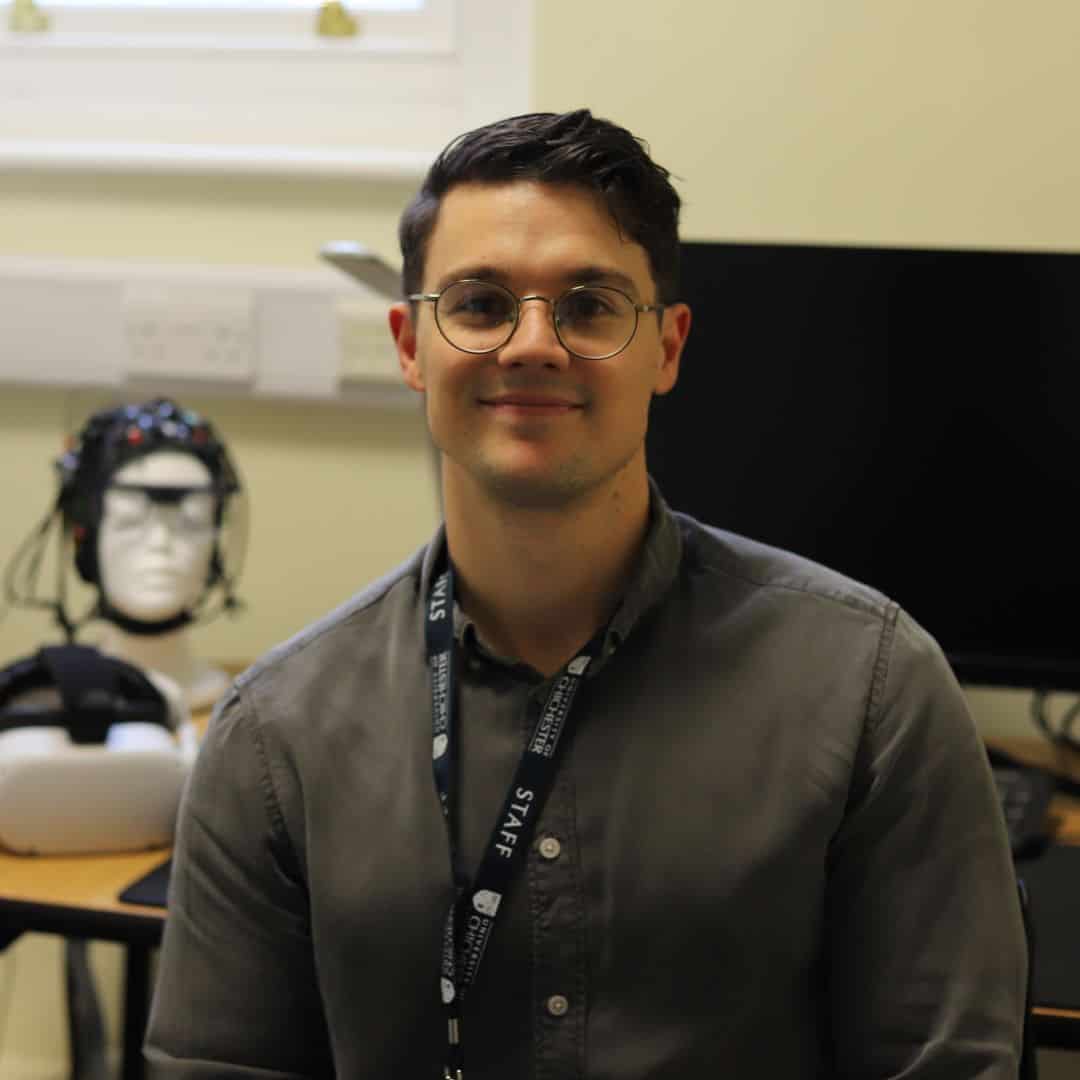
Dr Benjamin T. Sharpe
Senior Lecturer in Cognitive Psychology, Director of the Human Attention Laboratory, Coordinator for BSc Criminology and Forensic Psychology Programme, and Thematic Cluster Lead for South Coast Doctoral Training Partnership
Areas of expertise include:
- Cognitive psychology and performance optimisation in professional environments
- Mental health in digital spaces, including gaming and social media
- Sustained attention and human limitations in extended monitoring
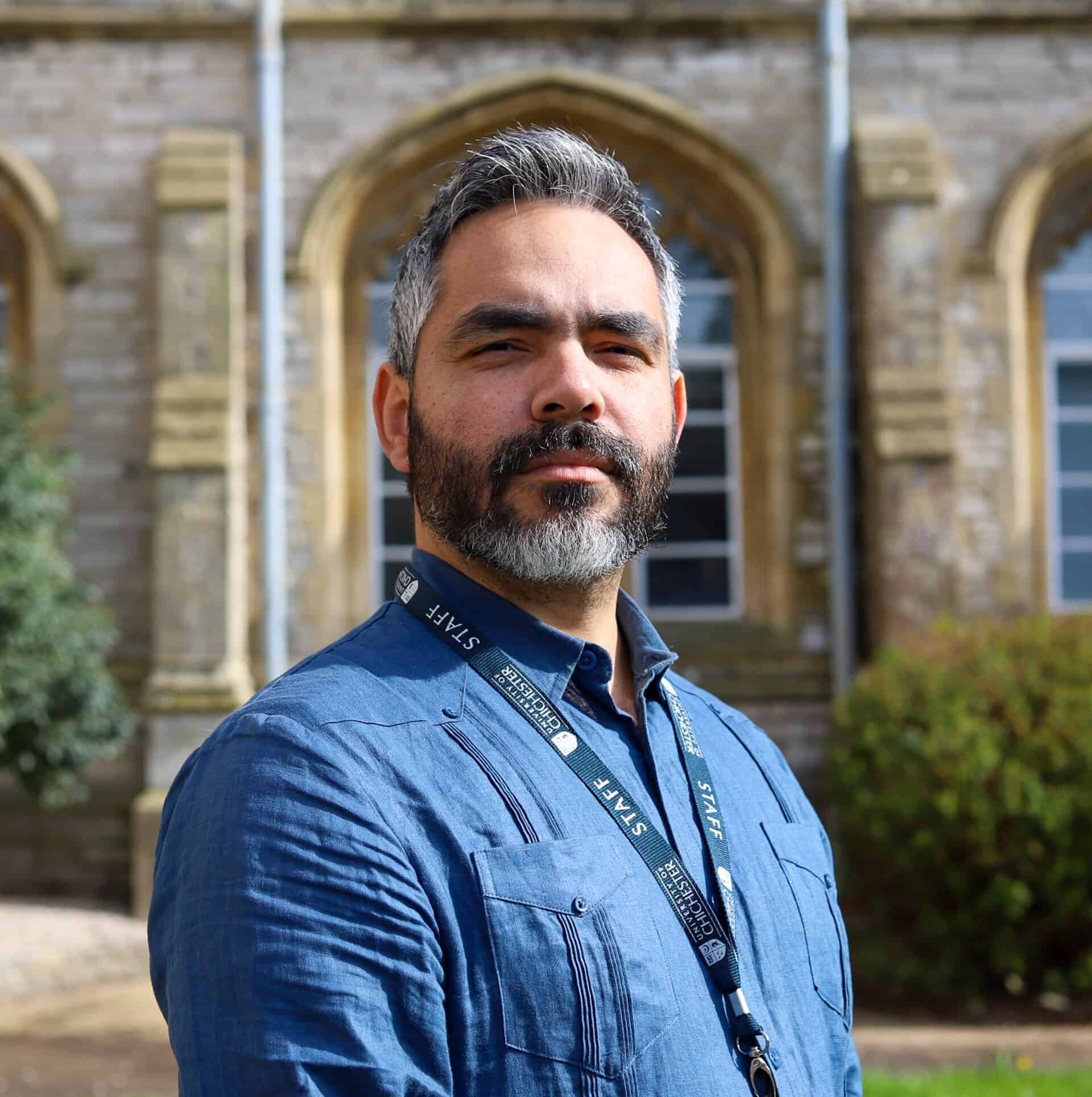
Dr Bruno De Oliveira
Lecturer in Psychology
Areas of expertise include:
- The impact of inequality on well-being.
- Immigration and the impact of public rhetoric.
- Community-based approaches to public health.

Dr Ian Tyndall
Reader in Cognitive Psychology
Areas of expertise include:
- Sexual health of over-45s.
- Behaviour and psychological distress – and its impact on health and emotional wellbeing.
- Increasing acceptance of breastfeeding in public.

Dr Julia Potter
Head of Physical Education and University Coordinator of Advance HE Provision
Areas of expertise include:
- Children’s Exercise and Health
- The Role of Schools in Child Health
- Stress Physiology
- Supplementation and Rock-Climbing Performance
- NZBC extract and blood flow

Dr Miles Leeson
Reader in English Literature
Areas of expertise include:
- Twentieth Century Women’s Writing
- Ethics and Literature
- Literature and Trauma

Dr Naomi Foyle
Reader in Critical Imaginative Writing
Areas of expertise include:
- Climate change (and its global impact).
- The Palestinian-Israeli conflict
- Autism Spectrum Condition in adults – and how UK teachers can embrace it in the classroom.

Dr Nicola Clark
Senior Lecturer in Early Modern History
Areas of expertise include:
- Medieval and early modern history.
- Women’s roles in history.
- Religion in history.

Dr Nita Muir
Head of the School of Nursing and Allied Health
Areas of expertise include:
- The impact of the Covid-19 pandemic on nursing and the wider UK healthcare profession.
- How the NHS can better-support staff in demanding and stressful environments (including wards and care homes).
- Frailty in the elderly – and how nurses can provide best care for older patients.

Dr Tilly Spurr
Senior Lecturer Sports and Exercise Nutrition
Areas of expertise include:
- • Performance nutrition
- • Sleep health
- • Childhood and adolescent nutrition
- • Nutrition across life stages
- • Public health nutrition
- • Coffee
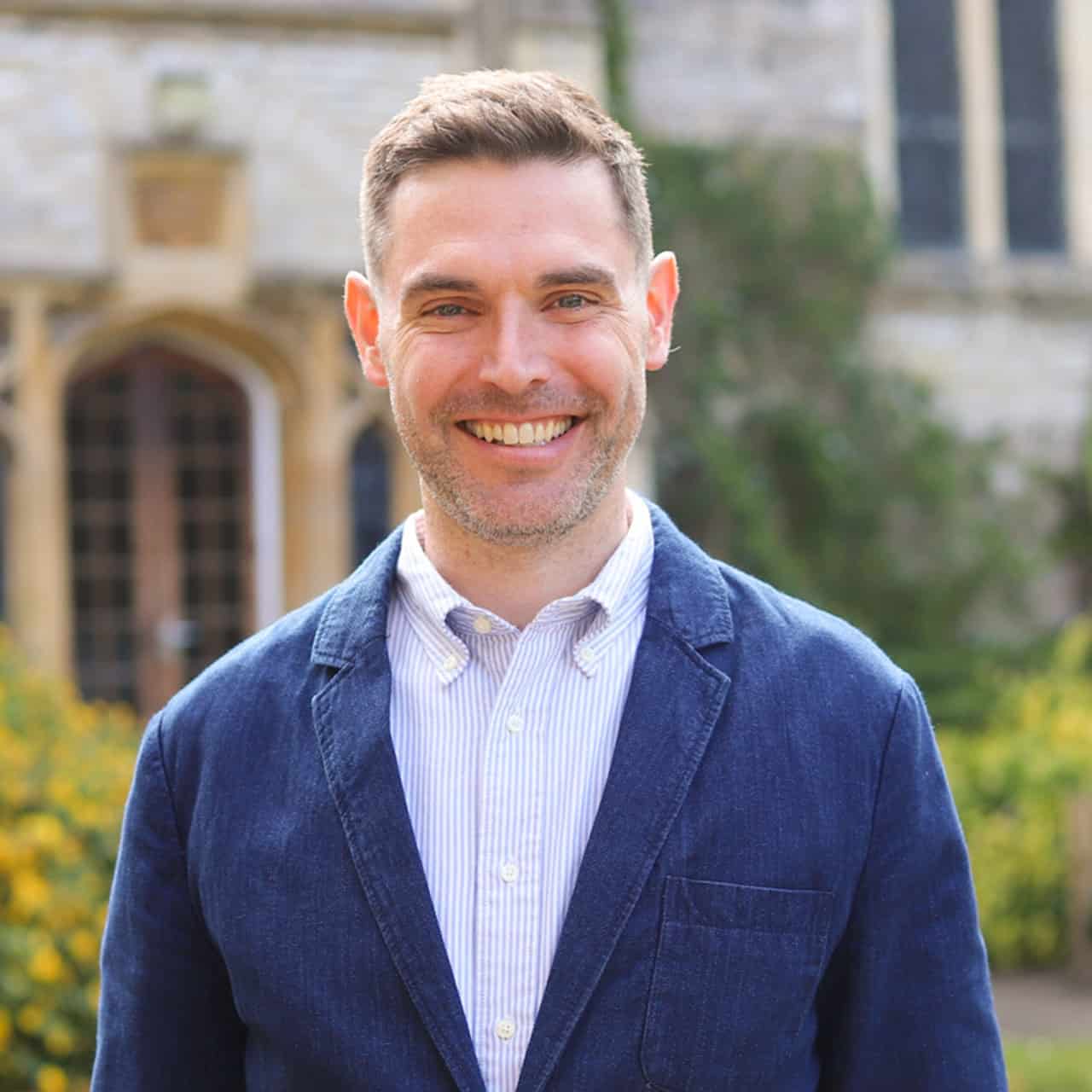
Dr Tommy Lynch
Reader in Political Theology
Areas of expertise include:
- The idea of the end of the world
- Philosophical responses to contemporary crises such as climate change
- Philosophies of hope
- The intersection of race and religion in Europe
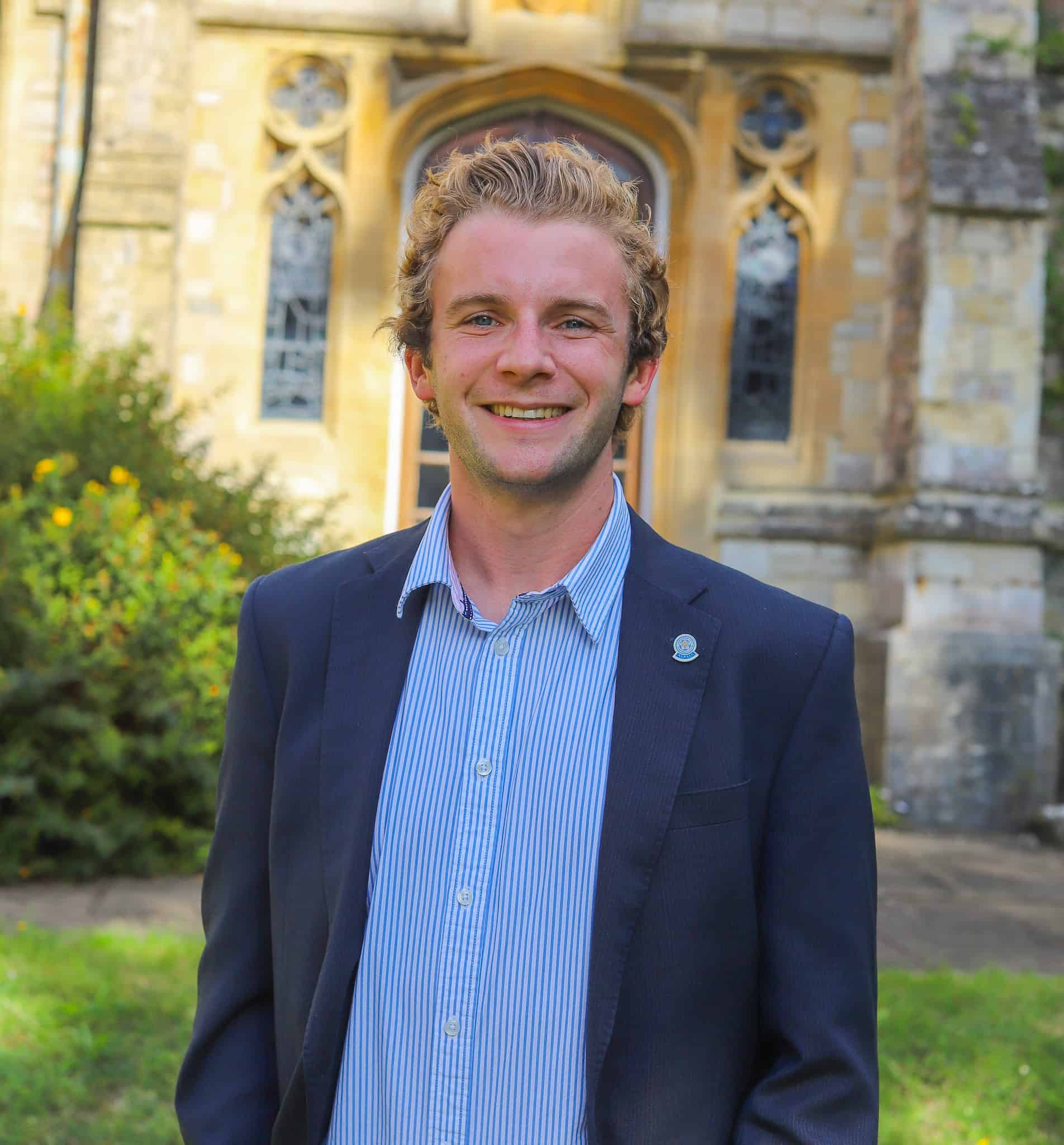
James Wright
Senior Lecturer & Programme Leader for Accountancy and Finance
Areas of expertise include:
- The accountancy and finance sector.
- Personal finance, UK taxation and the cost of living crisis.
- Setting up and operating a UK business.

Professor Hugo Frey
Professor of History
Areas of expertise include:
- Comics and graphic novels
- Cinema
- Franco-American cultural relations and French culture
- Legacies of war and genocide in European culture and society

Professor Kish Bhatti-Sinclair
Professor of Health and Social Care
Areas of expertise include:
- Race and racism affecting young people in the UK.
- Immigration and the impact of strict border controls on children.
- Child abuse by minority ethnic communities.

Professor Laura Ritchie
Professor of Learning and Teaching, National Teaching Fellow Coordinator of Instrumental/ Vocal Teaching and MA Programmes
Areas of expertise include:
- Psychological studies on self-belief in music
- Teaching practice, especially string instruments
- International teaching practices, particularly in the USA.

Rams Singh
Senior Lecturer in Esports
Areas of expertise include:
- Esports on the curriculum – why esports and the benefits of a career in the gaming industry should be taught in schools
- Chichester’s recent study which revealed that pro esports athletes playing in top-level competitions face similar stress levels as football and rugby stars
- Supporting the physical and mental health of video-gamers – to keep them performing at the top level
Key facts about the University of Chichester
What you need to know
- We have campuses in cathedral city Chichester and by the sea in Bognor Regis.
- Our key disciplines are in sport, education, creative and digital technologies, and engineering.
- We’re recognised as a green university – achieving platinum tier in the Uswitch Green Universities 2023 rankings – one of only six universities to do so.
- Our teacher training programmes are rated outstanding by Ofsted.
- We have been awarded the highest overall rating of ‘Gold’ in the Teaching Excellence Framework (TEF) 2023.
- We are ranked 12th overall in the UK for student satisfaction out of 131 universities in the NSS 2025.
- We are ranked 7th in the south east, according to The Times and Sunday Times Good University Guide 2024.
- We have been rated as a top-30 UK university out of 123 institutions (Guardian University Guide 2026).
- We also provide a total of 1,228 jobs in Chichester and 576 jobs in the Arun area, where the Bognor Regis campus is located.
- More than half of the University’s student population are the first in their family to attend university, while a third originate from low-income homes earning less than £25,000 a year.
- The £50m Tech Park at Bognor Regis, which houses all our STEM courses, was opened by The Duke and Duchess of Sussex in 2018.
- Alumni include gold-winning Olympic sailor Saskia Clark and gold-winning Paralympian Emma Wiggs.
Our students
2023/24 figures
- Total number of students 6,826
- Number of undergraduate students 4,964
- Number of postgraduate full-time students 1,754
- UK students (incl. Channel Islands & Isle of Man) 96%
- Other EU students 1%
- Non-EU/International students 3%
- Full time undergraduates in receipt of Disabled Students’ Allowance 4%
- First in family to attend university 47%
- Mature students 40%
Our History
- The University of Chichester can trace its origins back to 1839 and was first opened as a college for training schoolmasters called Bishop Otter College.
- Florence Nightingale had a hand in the formation of Bishop Otter College after writing a letter of support to the government in 1876.
- In 1873 the College became a training college for women as a result of the campaign by Louisa Hubbard to encourage the acceptance of women as teachers. Male students were not introduced until 1957.
- Chichester played a crucial part in the D-Day landings of 1944, where one of the lecture rooms on the Bishop Otter campus became the Operations Room of RAF Tangmere, the nerve centre controlling squadrons of fighter planes involved in the D-Day landing.
- The West Sussex Institute of Higher Education was formed in 1977 as a result of the merger between Bishop Otter College and the Bognor Regis College of Education, becoming a single institution of higher education.
- The title ‘University of Chichester’ was approved by the Privy Council on 12 October 2005.