Planning to protect our local and global environment

As part of our commitment to environmental sustainability, we believe we must manage all aspects of our operations that impact on the environment and deliver a sustainable future for the University, our local and global communities.

The university has developed a five-year sustainability strategy which maps onto the 17 United Nations sustainable development goals. The strategy contains our roadmap to carbon net-zero and sets a range of objectives and targets for our community of students and staff to work toward.

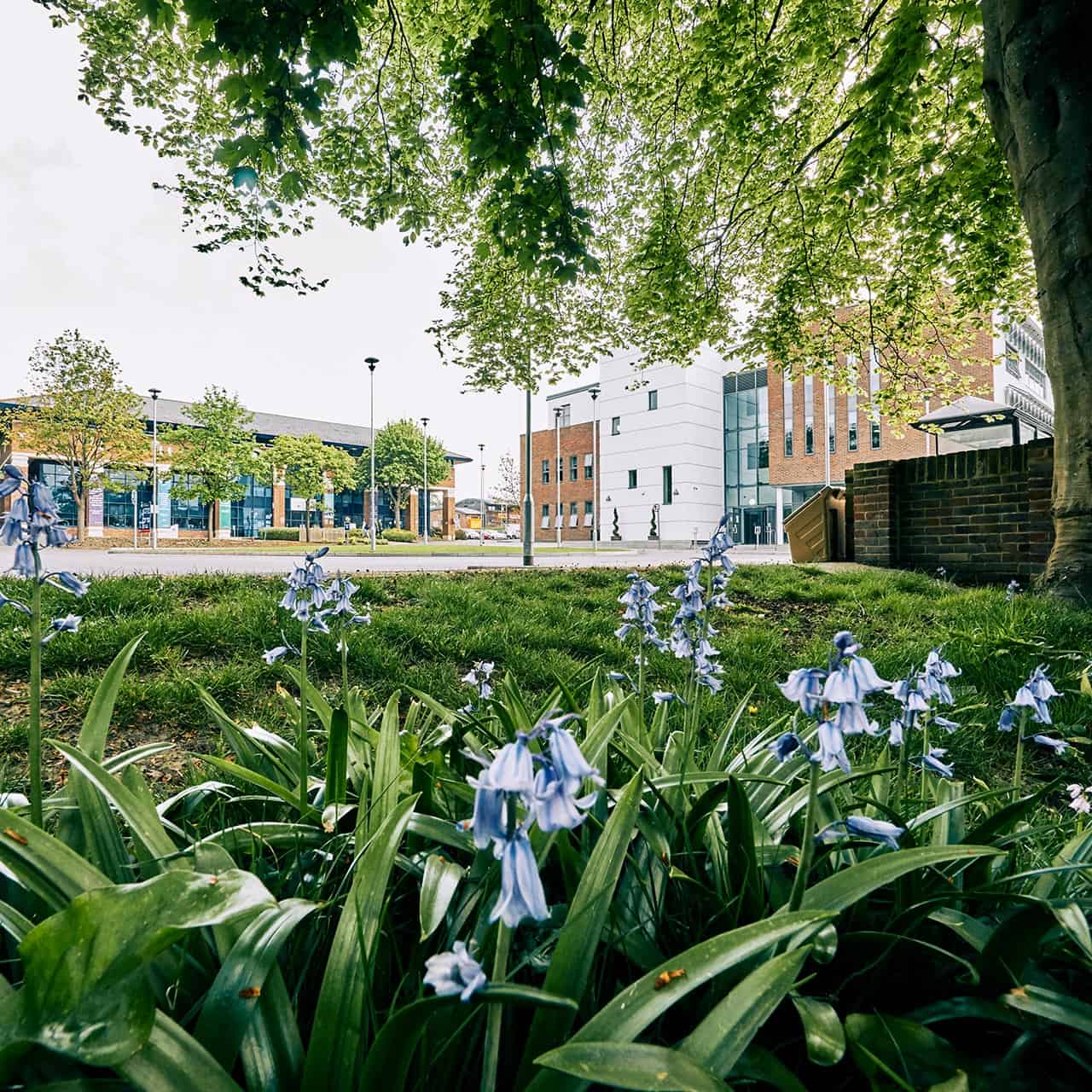
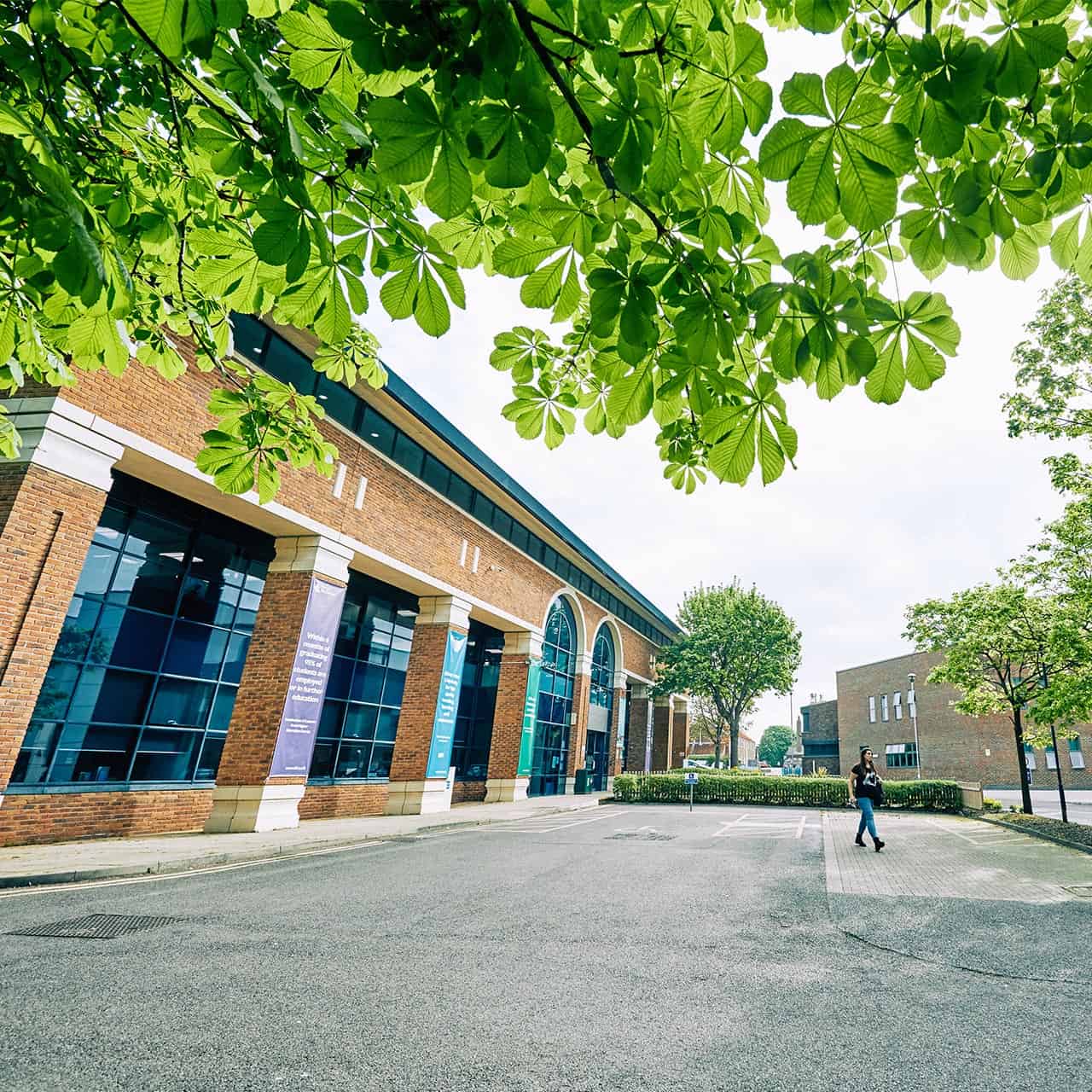
Bishop Otter Campus

Measuring progress and driving action towards net-zero

As part of our commitment to environmental sustainability, we recognise the importance of monitoring, reporting, and improving our environmental performance. The Annual Carbon Management Report provides a transparent overview of the University’s emissions, energy use, and wider environmental impact.

The report tracks progress against our net-zero carbon target and outlines the actions being taken to reduce emissions across our estate and operations. It also highlights the university’s growing understanding of Scope 3 emissions, alongside initiatives delivering social value, sustainability, and positive community impact.

Together with our Sustainability Strategy, the report supports informed decision-making and continuous improvement, ensuring we remain on track to deliver a sustainable future for the University, our local community, and the wider environment.

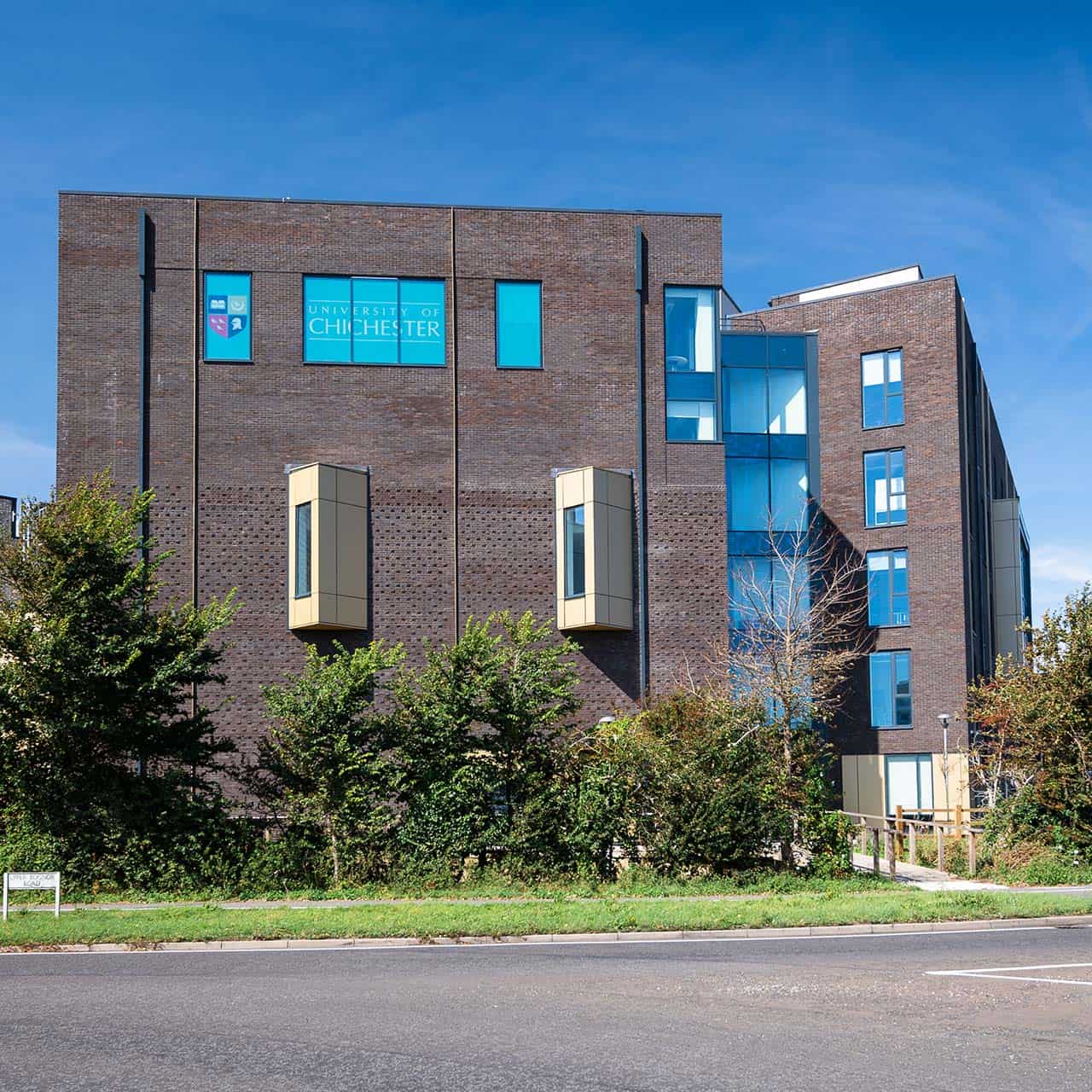
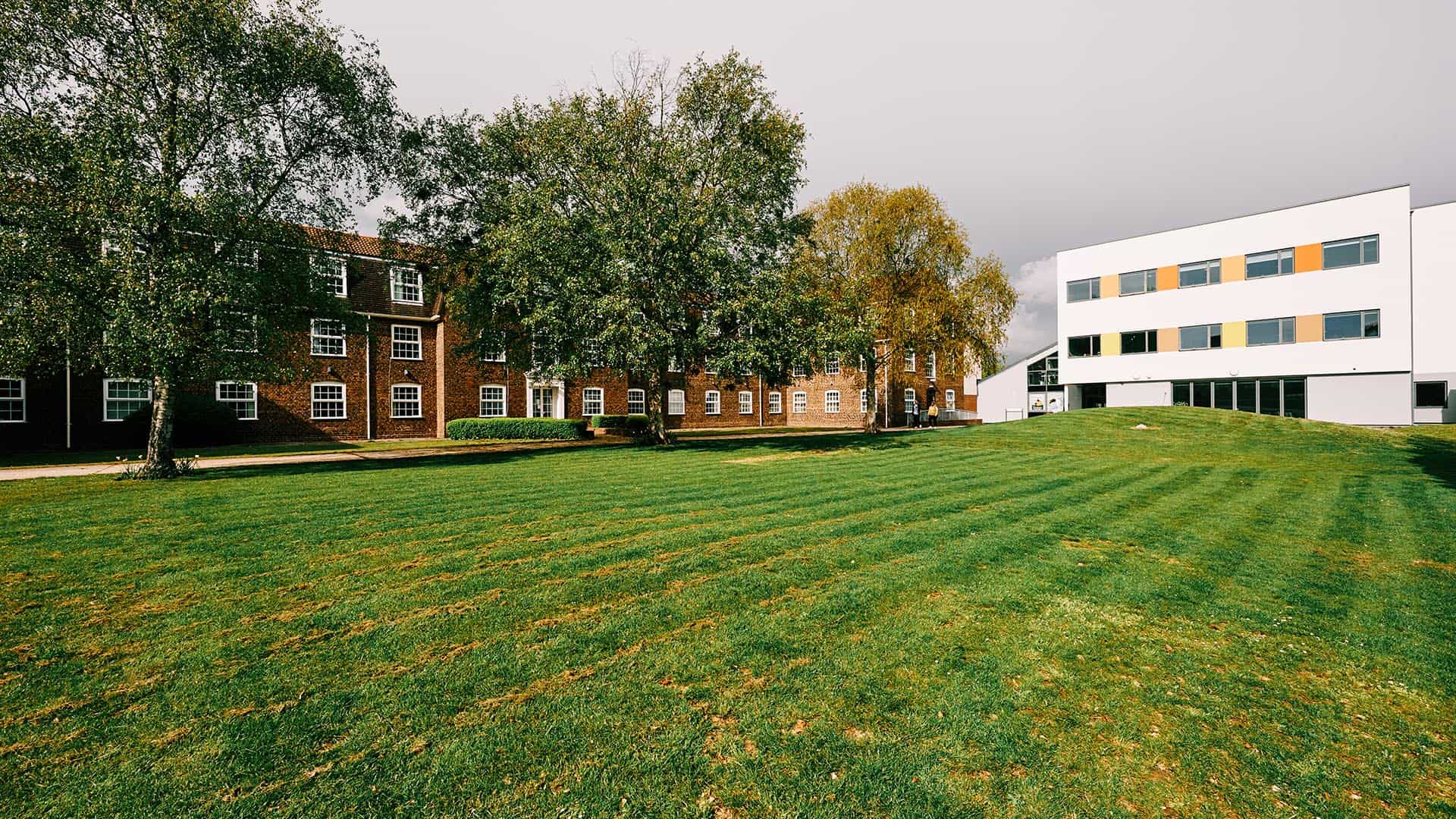
Tech Park

How we work to protect our environment for the future

The University of Chichester is fully committed to environmental stewardship and the principles of sustainable development.

It accepts its environmental responsibilities and recognises the positive contributions it can make to the resolution of global, regional and local environmental issues, including climate change.

Bishop Otter Campus

Delivering cutting-edge research in an environmentally sustainable way

We support sustainability in research, and we are proud to be a signatory of the ‘Concordat for the Environmental Sustainability of Research and Innovation Practice’, a major new initiative in the UK research sector.

Dance student reading book in library

Enhancing biodiversity across both of our campuses

The university is working to raise awareness of the importance of biodiversity as well as engage students and staff in projects and initiatives to improve our campuses.

Important

If you require this document in an alternative format please email website@chi.ac.uk.

Friendly Campus Squirrel

Supporting sustainable, healthy food for our community

The University of Chichester, in partnership with the Students’ Union, is committed to providing healthy, affordable and sustainable food for staff, students and visitors across all catering outlets, subject to product quality and availability.

Our approach to sustainable food focuses on reducing waste, using resources efficiently, and promoting responsible procurement. We prioritise ethically sourced and Fairtrade products wherever possible, helping to support both environmental and social sustainability.

Our catering is provided by an external contractor. To assess their commitment to sustainable catering, we have undertaken an independent audit of our provision, carried out by a member of university staff.

The audit identifies areas of good practice to highlight, as well as opportunities where we can work collaboratively to drive further improvements.

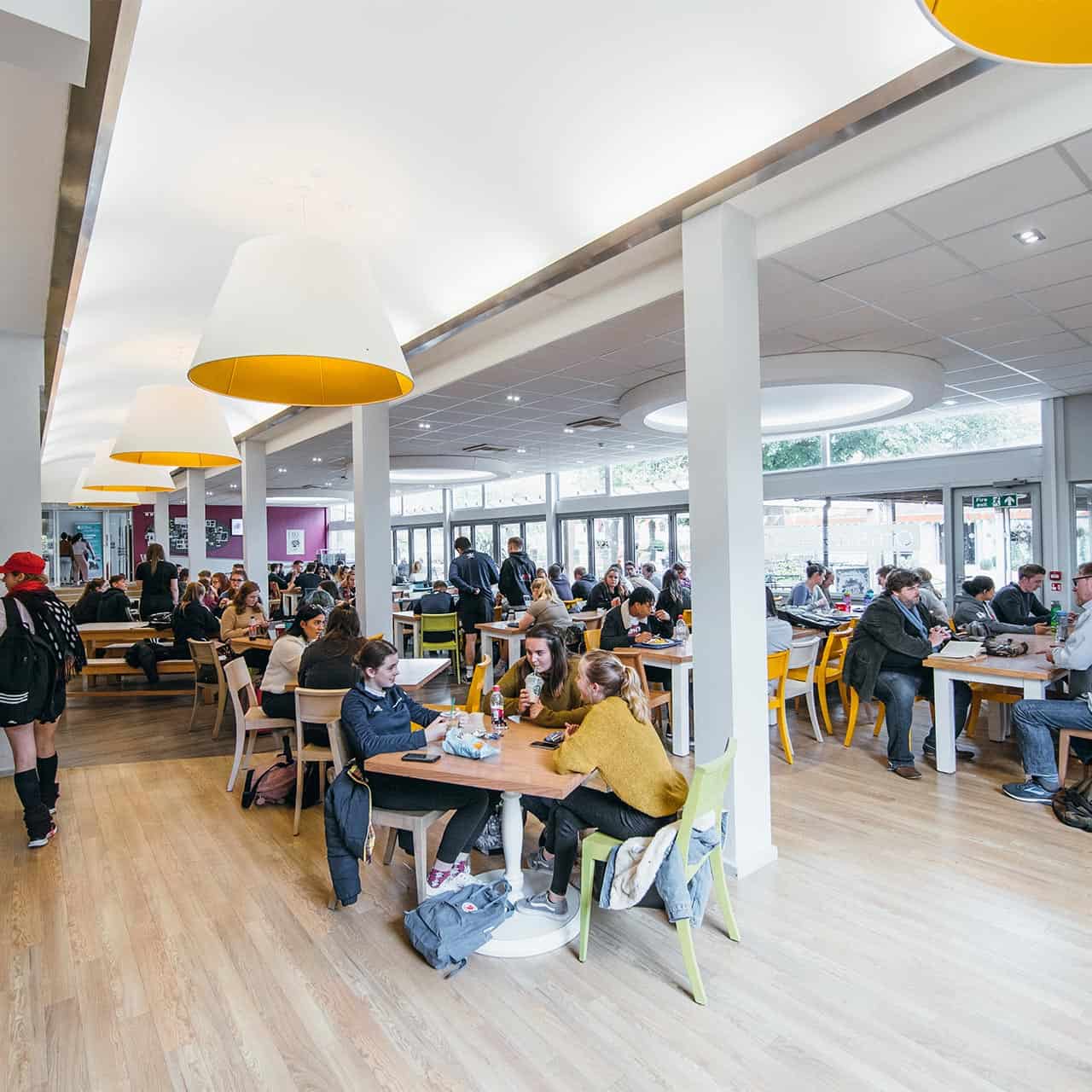
Otter Restaurant Bishop Otter Campus

Policy Commitment 

The University of Chichester is committed to minimising food waste as part of its wider sustainability and resource efficiency objectives. This includes structured waste management processes, redistribution initiatives, and engagement activities aimed at preventing food waste and supporting a circular economy approach. 

Implementation 

Food waste segregation is in place across all halls of residence and staff kitchens. This ensures that food waste is diverted from general waste streams and sent for treatment via anaerobic digestion, where it is processed into renewable energy and biofertiliser. 

To prioritise waste prevention and redistribution, the University operates Community Fridges on both the Bishop Otter and Bognor Regis campuses. Located within Learning and Resource Centres, these are accessible free to students year-round and stocked daily with surplus food from the University’s catering partner, BaxterStorey, and the Students’ Union shop. 

In partnership with local charity UKHarvest, the University also delivers Grub Club events. These initiatives focus on redistributing surplus food, increasing awareness of food waste, and engaging the campus community in sustainable food practices. 

Measurable Outcomes 

The University monitors performance to demonstrate impact and support continuous improvement: 

Community Fridge redistribution rates (April 2025 – March 2026): 

  • Bognor Regis: 94% redistribution rate 
  • Bishop Otter: 59% redistribution rate 

Grub Club redistribution (2025–2026): 

  • 3 February: 312 kg (743 meals*) 
  • 3 March: 278 kg (662 meals) 
  • 21 April: 270 kg (643 meals) 
  • 12 May: 254 kg (605 meals) 

Total redistributed: 1,114 kg (1.1 tonnes) 
Equivalent meals provided: 2,653 

These outcomes demonstrate quantifiable reductions in food waste alongside social value through food redistribution. 

Partnership Working 

The University works in partnership with: 

  • BaxterStorey (catering provider) to minimise surplus and redistribute edible food 
  • Students’ Union to support redistribution through retail outlets 
  • UKHarvest to deliver community engagement and large-scale redistribution initiatives 

Monitoring and Continuous Improvement 

The University is committed to improving food waste performance over time by: 

  • Increasing engagement with Community Fridges to raise redistribution rates across all campuses 
  • Expanding Grub Club events and participation 
  • Continuing to monitor and report redistribution volumes and waste diversion 

*Meal equivalents based on a 420g portion, in line with WHO guidance. 

Supporting better conditions and pay for farmers and workers

The Fairtrade Organisation is a charity which works with businesses, consumers and campaigners to ensure farmers and workers in developing countries obtain better prices, decent working conditions and a fair deal for the products they produce. Fairtrade do this by setting social, economic and environmental standards.

For farmers and workers, the standards include protection of workers’ rights and the environment. For companies they include the payment of the Fairtrade Minimum Price and an additional Fairtrade Premium to invest in business or community projects of the community’s choice. Products which have met these standards carry the Fairtrade mark.

Fairtrade products can be found all over the University, from the clothing range and Ben & Jerrys ice cream available in the SU shop to chocolate, juices, coffee and much more in our Otters Restaurants.

University of Chichester Fairtrade Certificate

Using more sustainable approaches to waste management

As a society we are consuming natural resources at an unprecedented rate creating mountains of waste that require disposal.

The University of Chichester works to reduce the amount of waste we produce, maximise the levels of recycling, and to promote environmental awareness among staff, students and other stakeholders. In order to reduce our impact on the environment we need everyone to help.

LRC Bishop Otter Campus

Changing the way our staff and students travel to and between our campuses

The University aims to provide the means and encouragement to staff, students and visitors to travel to, and between, its campuses by the most sustainable manner possible.

We strive to raise awareness across the university community, and by sharing our knowledge and enthusing today’s students, they will become future leaders who aspire for a sustainable future.

EV Chargers on Campus

Our EV chargers offer the ability to charge an electric or hybrid vehicle on campus.

This facility is available on both campuses, and forms part of our sustainable travel plan to encourage low carbon choices for staff and students.

Chichester City Bus