• Top 30 UK university out of 123 institutions Guardian University Guide 2026
  • Gold rated university in the Teaching Excellence Framework Teaching Excellence Framework 2023
  • 1st for learning opportunities in Counselling National Student Survey 2025

Overview

Build your expertise and confidence in an evolving field

Counselling and Psychotherapy encompass a wide range of talking therapy approaches for an infinite number of concerns, delivered across a variety of contexts, time-spans and methods.

This MA gives counsellors the opportunity to learn to research, and to delve deeper into what it means to be a thoughtful, courageous and relational practitioner in today’s therapeutic context.

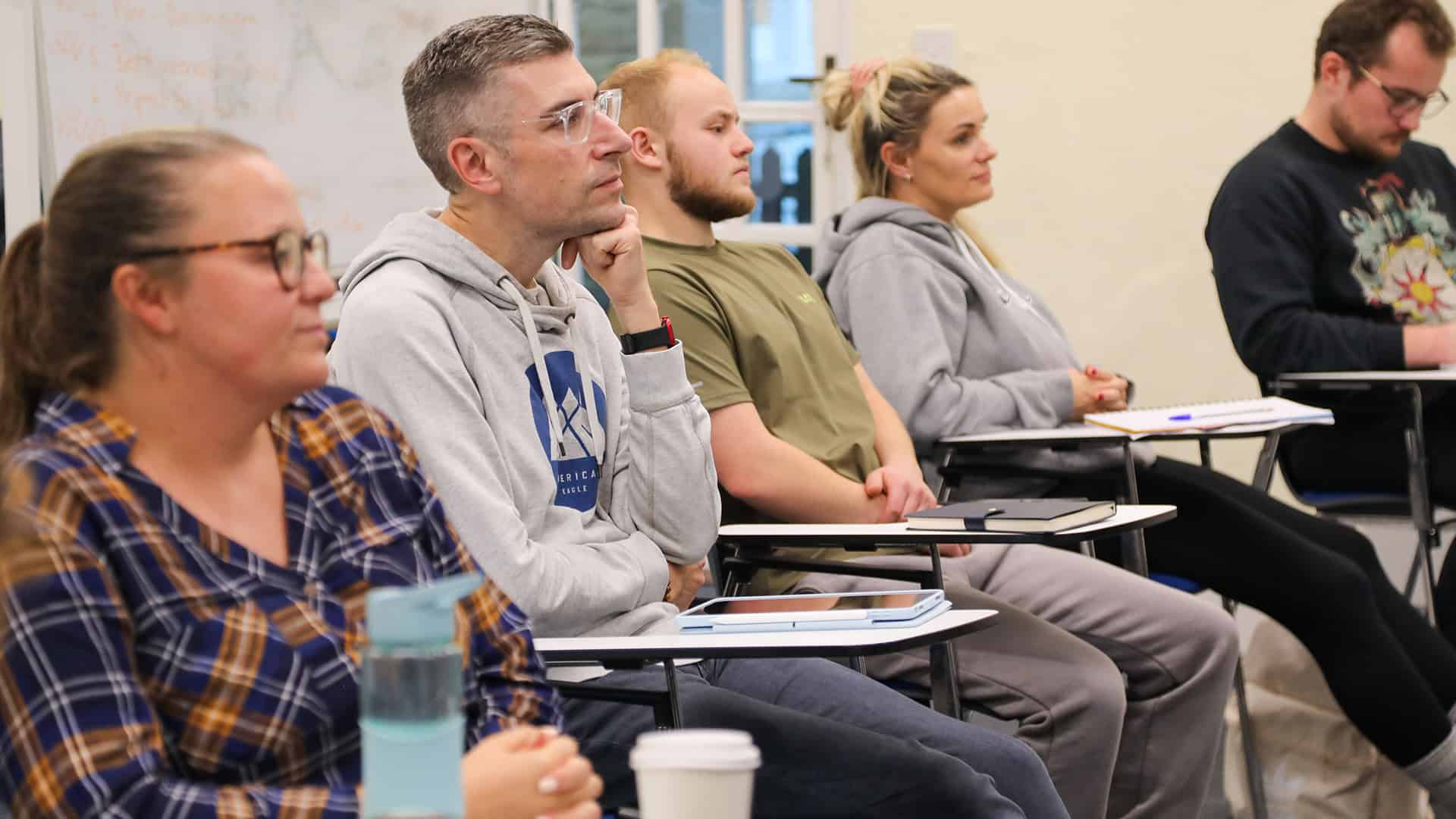
With existential, interpersonal and spiritual ideas all featuring as themes, students will attend campus for an assortment of lectures, seminars, talks and groupwork (approximately three hours per week) over the course of two years. They will also meet online for additional content and tutorials.
The Course

What you will study

This Master’s degree seeks to give students a broad and exciting range of experiences, from deepening their existing understanding of connecting with clients and themselves, to managing a research project which has real meaning and resonance for them.

In a changing professional landscape, the ability to draw on critical thinking to find sustainability practices for both yourself and the world of counselling is invaluable.

Key transferable skills gained from this degree include:

  • Increased confidence and adaptability
  • Critical thinking and problem-solving
  • Management of a specialist research project.

Modules

This list is indicative and subject to change.

Research Methods and Ethics

This module aims to develop your knowledge, understanding and critical awareness of research methodologies, philosophies and methods pertinent to counselling and psychotherapy themes.

In addition, it will move you closer to specifying your research interests and project topic for the second year.

There will be a particular focus on the links and points of coherence between ontology, epistemology, techniques and dissemination, and more practically, on scope, remit and project management. The importance of ethics and how to pass an ethics approval process will also be included.

Existence and Experience

This module fosters a critical and experiential exploration of human experience through the lens of Gestalt, Existential and Person-centred ideas. After an orientation to each approach in the early part of the module, the sessions move through a wide range of aspects of being a human in the world today with the aim of expanding your contextual understanding of self and other.

As the concepts of here and now, authentic being and relating, and exploring what it means to be alive are central to these approaches, you will develop your knowledge of a wide range of ideas which move from the generic to the specific, from the macrocosm to the microcosm.

Contact and Connection Parts 1 & 2

This year-long module will engage you on a number of different levels, encompassing many different aspects of connecting with ourselves and others.

The module is designed to be in two halves; equipping you with a wide range of skills to work in extra-therapeutic and systemic ways with others including group facilitation, supervision, teaching and leadership, as well as examining how becoming more in tune with our instincts and somatic experiencing affects our ability to connect on a deeper level in relationship.

Spirituality and Transpersonal Perspectives

The module is designed to stretch your existing understanding of the ways in which humans experience the extraordinary, the wider notions of belonging and connection, and recover and embrace ‘lost’ or discounted parts of themselves. The ability to think critically and expansively about these topics will enable a greater acceptance of clients and professional creativity of thought.

Embracing the Unknown

This module consolidates elements of those which have gone before in the programme, bringing together: the need for research findings to be uncovered via a voyage of discovery rather than confirmation bias, sitting with uncertainty in therapy, and being more open to our own untapped potential.

Counselling and Psychotherapy Independent Research Project

The dissertation will show evidence of ability to: identify problem and interest areas, locate issues within a wider context, obtain relevant data, analyse findings, work within relevant theoretical/conceptual frameworks, synthesise complicated material, employ relevant and innovative research approaches, and present findings in an accessible manner.

Teaching and Assessment

How you will learn

Blended Learning

While a large part of the course will be delivered face-to-face on campus in your class cohort, there will be a variety of delivery methods for different aspects of the course, including online material.

Written assignments will be submitted online. Therefore, it’s important you have access to your own IT equipment (laptop or desktop and reliable internet connection) and have a good level of IT proficiency. You will be fully supported to engage with the learning platforms, via the University’s IT support resources and staff.

You will also be expected to attend campus, to engage fully in discussions and presentations as appropriate, and attend meetings to check your progress.

The face-to-face component of the course will equate to two intensive days prior to Semester 1 each year, and at least two 1.5-hour sessions per week in Year 1. In Year 2, this will drop to one face-to-face 1.5-hour session per week, as the focus shifts to your research. However, there will be additional supervision and cohort meetings (which may be conducted online) to ensure that you feel supported and helped to stay on track.

The mandatory induction/ introduction at the start of the course is held on campus so you can become acquainted with our staff and support services. You can expect to meet others in your cohort, hear from professional speakers and start the exciting process of building your own research ideas. Part of the process of devising and refining your research will include presenting to others on the progress of your Independent Project, and this will take the form of verbal description, PowerPoint presentation and towards the end of the course, a cohort poster presentation event (in-person).

Practice Learning

While the MA does not include core training, a mandatory placement or specify the number of practice hours to obtain while on the course, it is recommended that students continue with their existing practise to some degree (as far as possible). We recognise that it may be necessary to reduce clinical work alongside study, but there is enormous benefit in remaining in ‘live’ work while on the course, to enrich your learning and to have recent examples to draw on in written assessments.

Meet the teaching team

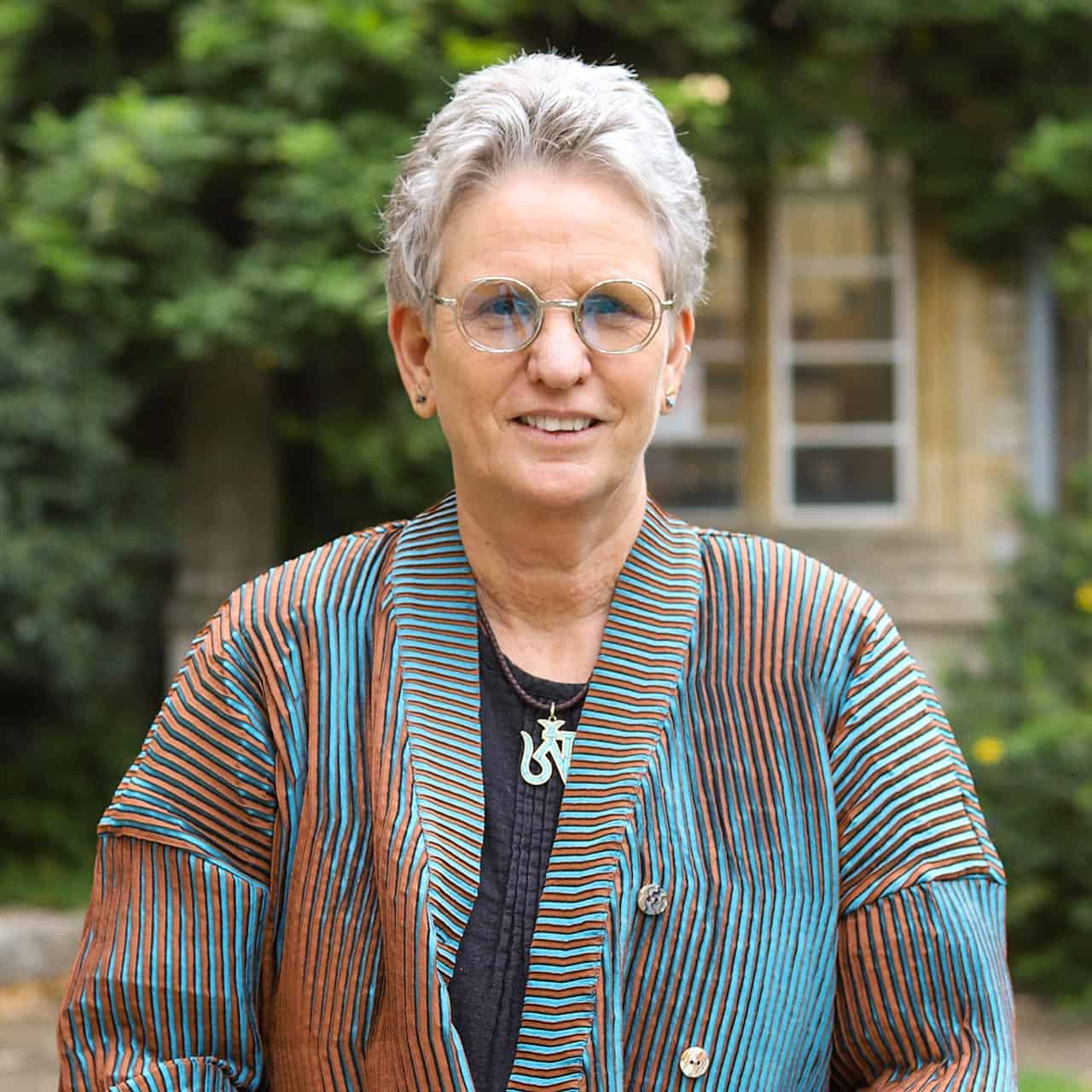
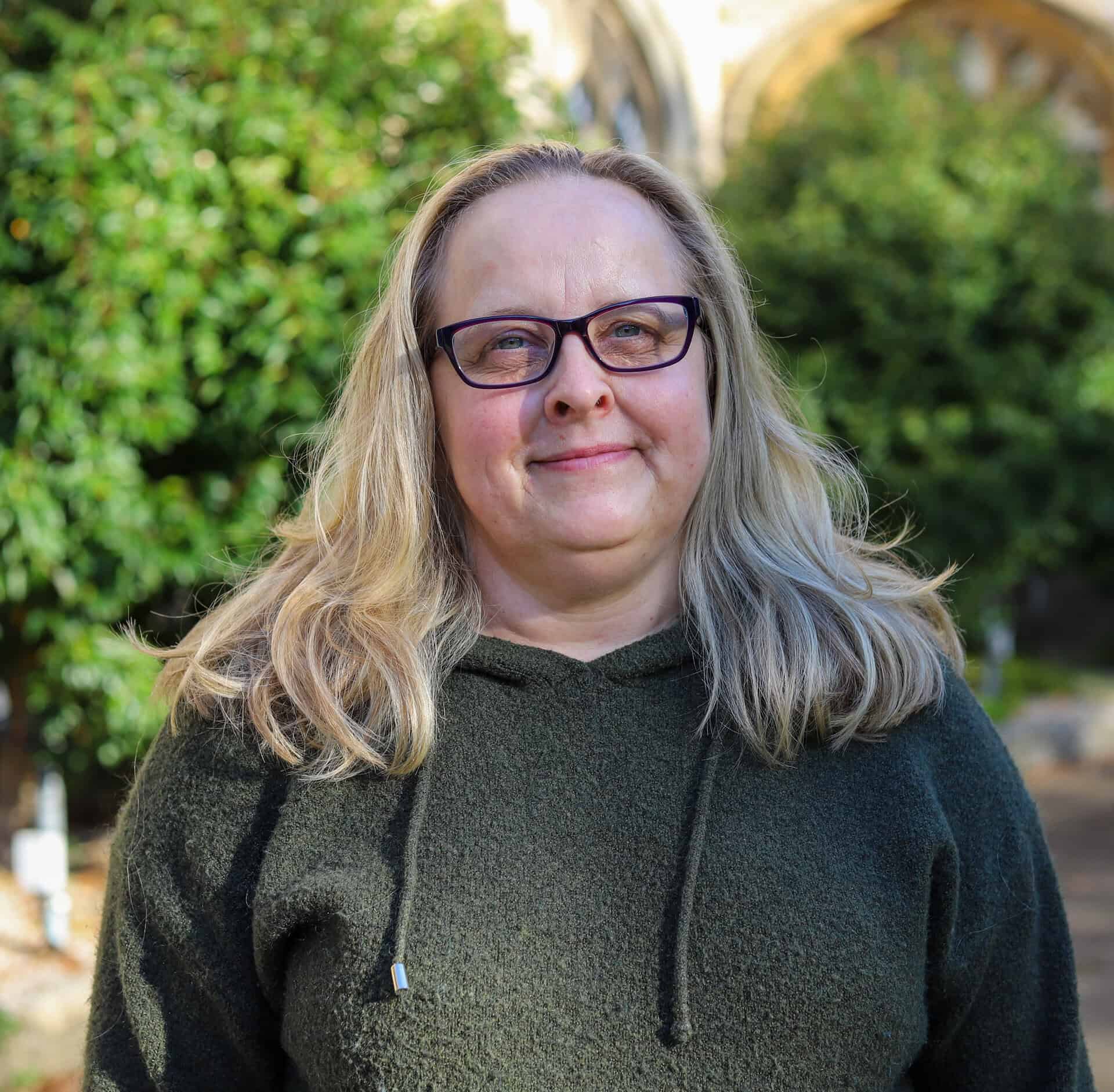
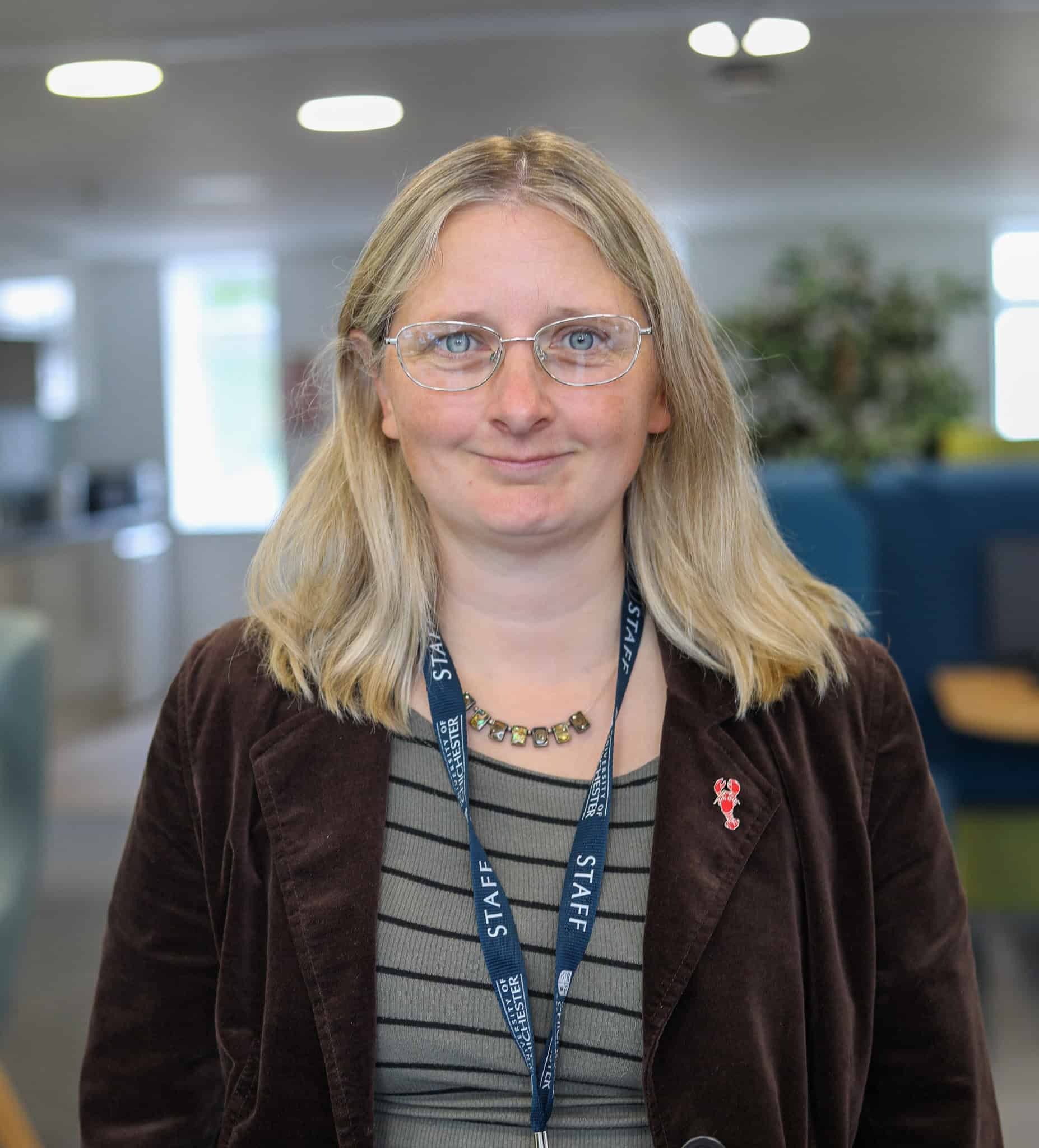
  • Iva Coombes

    Senior Lecturer in Humanistic Counselling

    Iva is a psychotherapist and counsellor with extensive experience working with various client groups as well as teaching counselling.  

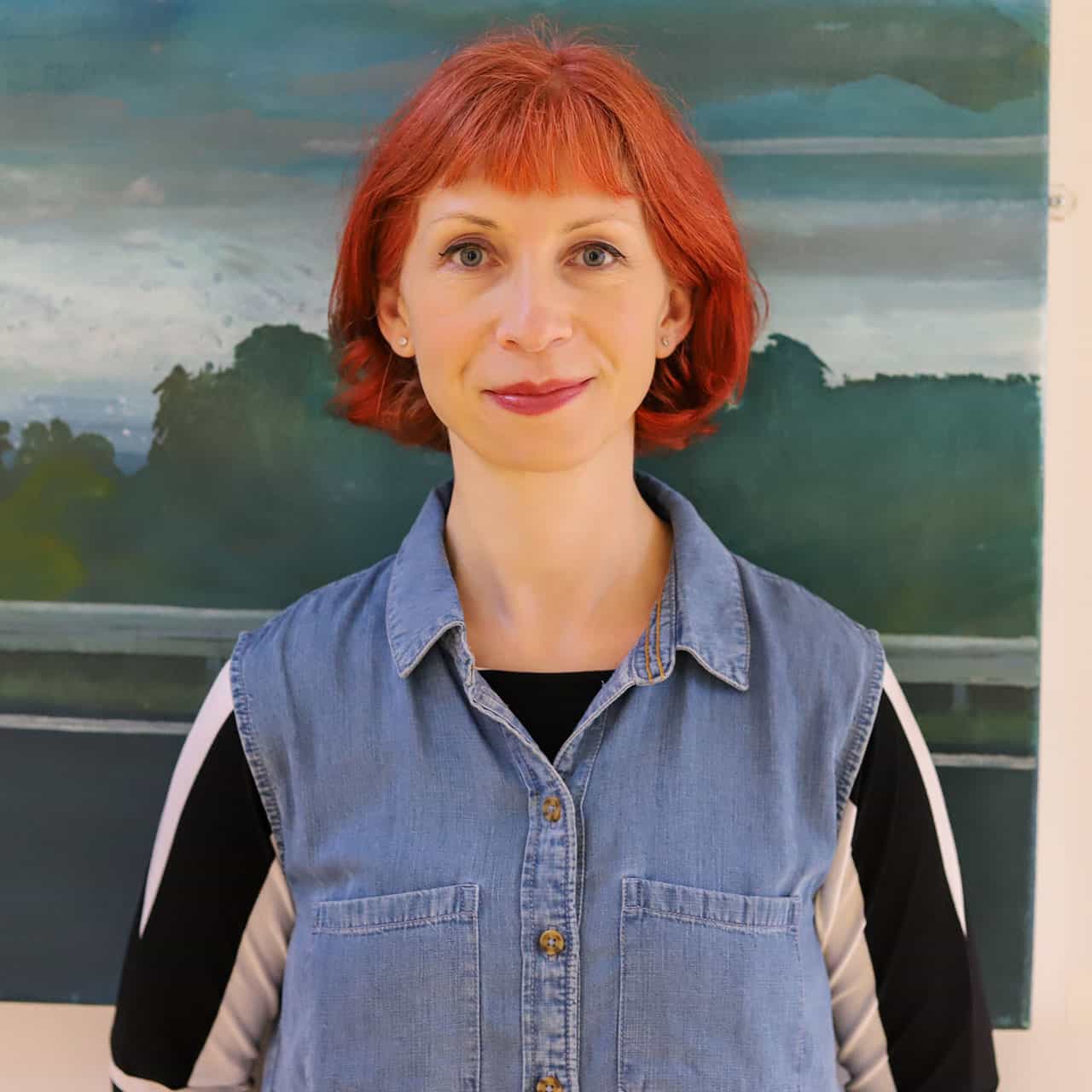
  • Holly Myfield

    Senior Lecturer in Counselling

    Holly describes herself as a Humanistic Existentialist Counsellor who, in her private practice, specialises in working with adults with Autism, ADHD, Dyslexia, ODD and other Neurodevelopmental Conditions.

  • Carol Lloyd

    Senior Lecturer in Humanistic Counselling

    Having trained as a nursery nurse, an early years teacher specialising in 3 to 8 years, and then a counsellor, Carol has over 25 years’ experience of working in various private, voluntary & statutory organisations.

    She has a passion for developing ‘creative potential’ and the use of creative arts in psychotherapy and healing within palliative care and continues to be involved in creative projects.

    Carol also runs her our own registered private counselling practice.


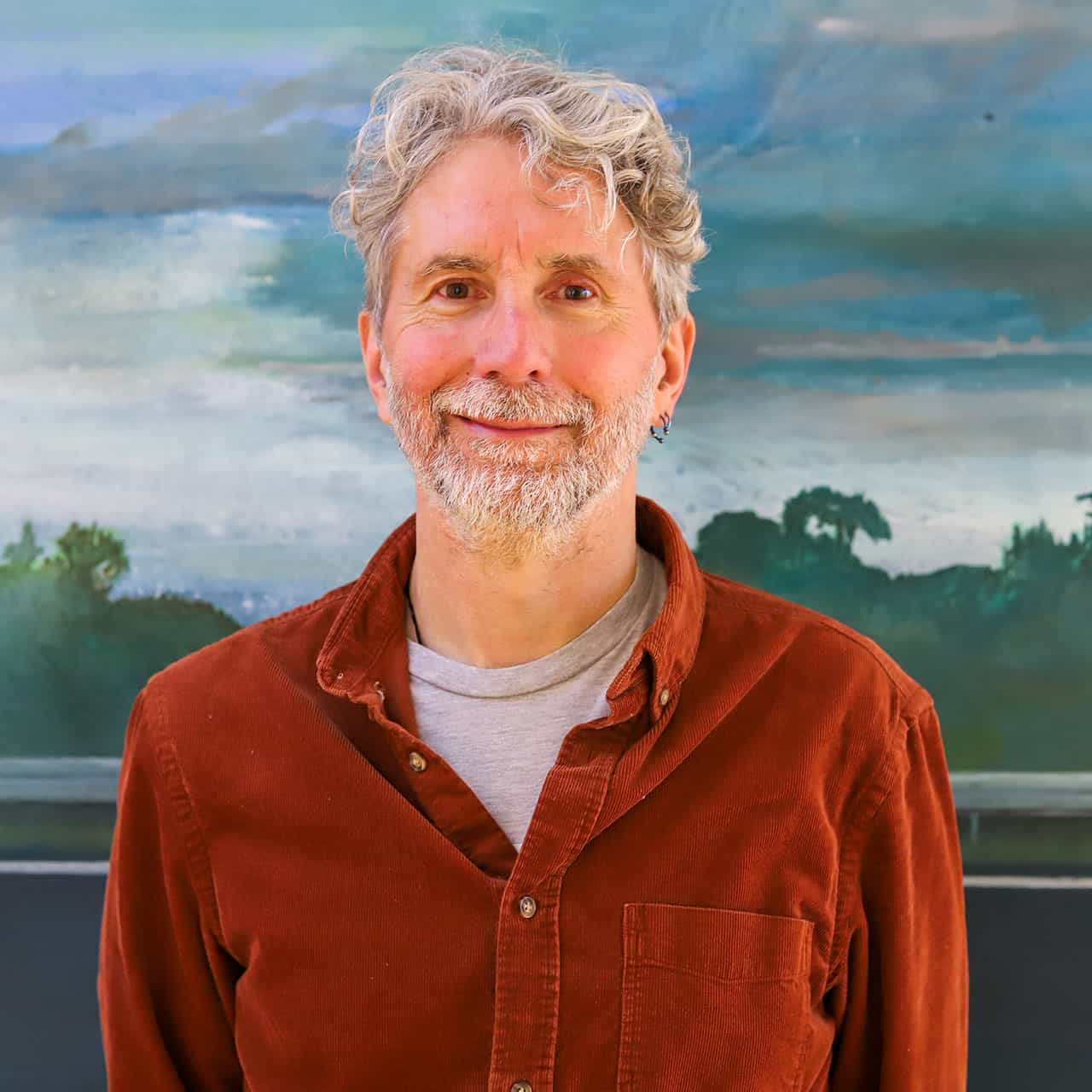
  • David Taylor-Jones

    Head of Counselling Programmes

    David’s doctoral thesis was on the experiences of counselling students, with a focus on the perceptions of their relationships with staff, peers, and the therapeutic model during training.

    He also previously completed a study of the experiences that adults who stammer had of their counselling.

    David runs a Person-Centred counselling and supervision practice in Brighton. As well as his private practice David has experience of counselling with addictions and bereavement and of counselling in schools.

  • Jo Taylor-Jones

    Senior Lecturer, BA (Hons) Humanistic Counselling

    Jo is a BACP Registered counsellor with her own private practice and has an MA in Psychotherapeutic Counselling and a PgDip in Person-centred Counselling.

    Jo has a variety of subjects for other Higher Education and counselling training organisations including Brief Therapy, comparative counselling modality theory and research analysis.

    She also counselled students and staff and held psychoeducational workshops at a Hampshire university for seven years.
A range of modes of assessment are selected to suit the different learning and teaching methods, variety of modules content and student competences. The following modes of assessment are used by the counselling programme:

  • Seminar participation
  • Essay
  • Dissertation (Independent Research Project)
  • Presentation
  • Creative equivalents

Careers

Where you could go after your studies

Upon completing this degree, you could pursue a range of careers, including:

Teaching

To add to your existing options as a counsellor and/or psychotherapist on joining the course, a master’s degree in counselling will entitle you (at most institutions) to teach on a related course in Higher Education. Further Education providers such as colleges will usually require a teaching qualification or the willingness to work towards one during the first two years of the post. Some Higher Education institutions will look favourably on doctoral level study in a competitive recruitment cycle but it is not normally a requirement.

Outlets for specialism

The process of studying the taught module components of the course and creating your research project will give you insight and knowledge towards a number of potential specialism routes, including (not exhaustive):

  • Specialised psychotherapeutic roles
  • Reviewing others’ work
  • Writing in journals and books
  • Research projects (some of which may attract funding)
  • Development of a new counselling service (private or with others)
  • Leading workshops and passive income streams such as recorded material
  • Consulting and guest speaking
  • Collaboration and outreach.

Other Doctoral training

The course is also suitable preparation for undertaking a PhD in Counselling and/or Psychotherapy or other postgraduate training.

Transferable skills

Successful completion of the MA Counselling and Psychotherapy means you will graduate with transferable skills suitable for working in sectors outside counselling, such as:

  • Group facilitation
  • Education
  • Welfare professions
  • Human health
  • Psychology
  • Business
  • Management
  • Research

Experience

Explore top-tier facilities designed to support your learning journey

Our MA Counselling and Psychotherapy course is located on the historic Bishop Otter campus in Chichester, which features a range of facilities, designed to help get the most out of your time at university.

Bishop Otter Campus

Click to watch our virtual tour of our historic Bishop Otter campus in the heart of Chichester.

Close Community

Our commitment to a friendly and close-knit student community contributes to a high degree of success for our graduates.

Expert staff

Learn from expert and experienced teaching staff who are here to support your needs.

Learning Resource Centre

Our campuThe Learning Resource Centre (LRC) contains the library, a café, IT/teaching rooms and the Support and Information Zone (SIZ).s library holds more than 200,000 books and over 500,000 eBooks.

Subject specific librarians

If you have difficulty finding material for an essay, seminar or project, subject librarians will be happy to provide assistance.

Course Costs

Course Fees

Course Fees 2026/27

For further details about fees, please see our Tuition Fee page.

University of Chichester alumni who have completed a full undergraduate degree at the University will receive a 15% discount on their postgraduate fees.

To find out about any additional costs on this course, please see our Additional Costs page.

Entry Requirements

Typical entry requirements

Having the relevant skills and qualifications helps us to know that you’re ready to start the course. You’ll need to meet certain entry requirements when you apply for this course which is only open to qualified professional counsellors/ psychotherapists/ psychotherapeutic counsellors:

  • Registration as a qualified counsellor with a recognised UK membership body (e.g. BACP, NCPS, UKCP, COSCA)
  • A minimum of a Diploma in Counselling including 100 supervised practice hours
  • 50 post-qualifying supervised practice hours
  • A minimum 2:2 (Hons) degree (or equivalent) in any subject
  • An academic reference
  • A personal statement outlining your interest in the MA and areas of interest for research
  • We would normally expect applicants to have Grade 4 / C in GCSE English and Maths
  • All suitable applicants are required to attend an interview
  • An enhanced DBS check.

FAQs

Frequently asked questions

This degree runs in part-time mode on two half-days per week, as well as two intensive days prior to the start of each year, and extra tutorials as necessary. All of the modules are either taught at the Bishop Otter campus in Chichester or online. In Year 2 attendance for taught modules switches to the other half of the day on the same days, with Semester 2 comprising less contact time due to the increased focus on your independent research.

There will be additional material available online, such as recordings, readers, suggestions for CPD, information on processes, and other resources.

Year 1 (2026-2027) meet on Mondays and Thursdays 13.00-14.30 in semester 1 (with Thursdays extending to 3pm in semester 2). In Year 2 students meet Monday and Thursday mornings (usually 10-11.30am or 10am-12pm) with the Mondays geared towards research needs and Thursdays containing the taught material.

The academic year has two semesters; the first semester runs from September to December and semester two runs from February to May. This means that students then have a gap from May to September in which they can catch up with background reading and continue working on their projects. We also encourage students to establish study groups so that they can maintain supporting and working with each other.

There is the option to continue ‘writing up’ your research (for a nominal fee) for up to two years after your formal studies have been completed, in order to obtain the degree if things are running behind schedule.

We do not require you to count hours towards the degree or to evidence hours obtained during the course, however we do recommend that you continue some current practice as a counsellor (and or supervision, depending on your work) if possible as it will help to keep your therapeutic experience ‘live’ and balanced.

No, we do not require you to be in personal counselling and trust that you will find support should the need arise.

Yes, students do need to find their own research topic, though this will be refined in conjunction with your allocated Research Supervisor and the University’s Research Ethics team. Devising a practicable and manageable project is part of the research process, and we will guide you to select the appropriate population, scale and methodology to achieve your aims.

Contact time during University semesters is only part of the picture. You also need to allow time for reading, study groups, finding new information and most importantly, thinking and not-thinking; an essential ingredient will be the ability to sit, reflect and do ‘nothing’ as you absorb, digest, plan and simply let yourself be.

As our structured contact time together for your project reduces in the second year, this will coincide with you needing to make sense of your data and write up your 12,000-word dissertation. You will still have access to tutorials and group time as needed.

There are no lower or upper age restrictions to applying for this Master’s degree, you just need to fulfil the other entry criteria such as being a qualified counsellor with at least 50 hours of post-qualifying experience. Applicants should be aware that the government Master’s Loan scheme requires you to be under 60 years of age when you start your course if you wish to be funded in this way.

The class size is approximately 8-12 students in both Years 1 and 2.

No, the course is not BACP Accredited, as this endorsement only applies to courses which contain counselling training, rather than post-qualifying courses.

Yes. If you feel you have exhausted other options such as intermission (a break from studies) or taking up to two years as a ‘writing-up’ period after the course has ended, with 120 credits successfully completed you may opt to take the Postgraduate Diploma in Counselling and Psychotherapy.

The Psychology department who sit under the same School as Counselling at the University have a number of staff who are very experienced in statistics. While it may be an extra mountain to climb to learn a new discipline on top of your other commitments, the department has kindly shared with us some resources and will also happily let you sit in on their statistics classes at no extra cost, should this be a significant part of what you wish to do. We would then work together to supervise your work with input from Psychology as needed.

Currently no; the only thing which can at present move a counsellor from Category A to B, is obtaining Individual Accreditation. There is also a temporary process in place with the BACP which enables Accredited counsellors to move from B to C by applying for Senior Accreditation.