
 PC36
PC36 Overview
Explore all aspects of contemporary sports coverage
The aim of the programme is to give students a real insight into the world of sports media.
BA (Hons) Sports Media offers students an immersive experience through the combination of theory, cultural studies and practical experience.
Students who successfully complete the programme will have amassed a high level of practical industry skills necessary to pursue professional careers in sports broadcasting, digital sports media and sport reporting.
Key transferable skills such as creative problem solving, project management, critical thinking and knowledge of appropriate research practices and understanding of communication are areas students can capitalise on within and outside media-sport related industries.
Students study media coverage of sport, reflect on the cultural and social significance of sport, explore interdependent relationships between sport and the media, and examine sports communication in the digital landscape.
Gain hands-on experience
A significant focus is invested in hands-on experience of working in sports media production and regular coverage of university sport emulates professional practice and allows students to develop skills highly valued by graduate employers as they identify links between knowledge gained from their degree and the practices of sports media industries.
Be part of a community and make networking opportunities
Students are part of a vibrant community of people interested in sport and the media, and work together with lecturers on building skill sets in particular specialisms, be that reporting, producing, camera operations, graphics, editing, presenting or social media, for instance.
Explore topics including:
- Journalism
- Camera and equipment operations
- Video editing and production
- Social media management
- Presenting and commentary
- Graphics
- Audio recording and delivery
- Interview skills and techniques
- Directing and producing.
Gain practical experience of working in sports media
Throughout the course, you will have opportunities to work with local sports clubs including the university’s teams and Chichester City FC, as well as work with external clients to help find your place in the diverse sport media industry.
Work by previous students has been published in local media outlets and even broadcast on the BBC and BT Sport.
Develop employable skills
As well as graduating with in-depth industry knowledge, you will have key transferable skills such as creative problem solving, project management, critical thinking and knowledge of appropriate research practices. These skills are essential within and outside media-sport related industries.
It’s a course of study that offers a very strong prospect of graduate employment. The sports media job market is competitive, but a robust one. Opportunities exist within graduate programmes, trainee schemes and apprenticeships presented by key broadcasters in the sports media-scape across a range of positions.
Learn from industry-experienced tutors and professional guest speakers
During the course, you will learn from industry-experienced lecturers and visiting sports journalists, professionals in television sport and radio, digital media specialists and sports marketers. Previous guest speakers include Match of the Day commentator Steve Wilson and BBC Boxing and Athletics correspondent Mike Costello.
On this course you will:
- Explore topics including sport journalism, sports photography, social media and camerawork.
- Learn from industry professionals and guest speakers.
- Engage in commissioned projects and work placements.
- Report on local sports including University BUCS fixtures.
Partnerships
As part of the Department of Creative Industries you will benefit from our industry partnerships with companies including HyperX, DXRacer, Twitch, ARRI and AVID, and be able to access to industry standard software such as Nuke, Maya and Houdini.






The Course
Gain skills in a range of sports media specialisms
Year One
In your first year, you will gain a strong foundation in the world of sports media as you explore key areas including television, journalism and news culture and camera operation.
Year Two
Your second year allows you to specialise in areas that interest you, with options in media production, journalism and multi-camera events and operations.
Year Three
In your final year you will engage in a range of independent and group projects and work on client-led sports media productions and commissions.
These projects will prepare you for your future career by improving your self-promotion skills, providing networking opportunities and supporting your portfolio to help you showcase talent to prospective employers.
Sustainability and Professional Practice: BAFTA Albert Scheme
The course aligns with BAFTA’s Albert Scheme, the leading sustainability framework for film, television, animation, and VFX industries. Albert provides industry-recognised tools and training to measure and reduce environmental impact across the full production lifecycle.
Students learn environmentally responsible production practices, including efficient resource use, energy awareness, and sustainable studio workflows.
Sustainability is integrated into industry-standard pipelines and professional decision-making, reflecting current studio expectations and roles.
Graduates are prepared to meet employer, broadcaster, and funder requirements, where Albert certification is increasingly a benchmark for responsible screen production.
Equality, Diversity and Inclusion
This programme embeds sustainability and Equality, Diversity and Inclusion (EDI) as core threads of its design, delivery and assessment, rather than as bolt-on themes.
Learning activities, case studies, set texts, guest contributors and assessment briefs are selected to reflect a diversity of voices, identities and lived experiences, and to interrogate the social, environmental and ethical implications of practice in the discipline.
Inclusive pedagogy – accessible materials, varied modes of participation, and assessment choice where appropriate – is applied throughout, and students are expected to engage critically with questions of representation, equity and power as part of their professional formation.
Modules
This list is indicative and subject to change.
- AI Creative Practice
- Introduction to Film Production
- Introduction to Sports Media
- Introduction to Journalism
- Media Production Toolkit
- Sport and Television
AI Creative Practice
This module introduces you to the use of Artificial Intelligence (AI) within contemporary creative practice. It is designed to develop awareness, confidence, and a basic critical understanding of how AI is used across creative disciplines.
You will be introduced to the ways AI intersects with areas such as writing, media production, performance, audio, and visual design. Early teaching provides an accessible overview of key ideas including authorship, originality, bias, and ethical considerations.
Following this, you will undertake an individual exploration into the use of AI within a chosen creative context or area of practice. This exploration may involve practical experimentation, comparison of outputs, or a combination of both.
The emphasis of the module is on exploration rather than technical mastery. You will be encouraged to try out AI tools, observe their effects, and begin to recognise your own judgement in relation to the outputs you produce.
Introduction to Film Production
This module aims to engage you with the fundamental practices and underpinning principles of camera operation, sound capture, and lighting for screen‑based production.
Through a combination of practical workshops and guided exercises, you will develop an understanding of how technical and creative choices impact visual and audio outcomes.
The module focuses on building core technical confidence, encouraging you to apply industry‑informed techniques in a range of controlled production scenarios. By the end of the module, you will be able to practically demonstrate essential skills in camera, sound, and lighting at a competent and proficient level, forming a foundation for more advanced production work and collaborative practice.
Introduction to Sports Media
This module aims to support you in your transition into higher education.
It examines sport in various mediated forms to consider the complex relationships between sport, media and society.
Sports journalism, televised sport, sport and radio, sport in film, advertising, marketing, branding and sport, sport magazines, sport in other literature and sport and the digital landscape will be explored to develop your understanding of the concepts, issues, critical perspectives and methodologies that constitute our approach to learning, studying and teaching sports media in the programme.
Introduction to Journalism
This module considers developments in journalism. It examines the significance of newspapers; addresses news values; explores news production and consumption; and reflects on reporting in new mediascapes.
The module tackles the way narratives are organised, structured and shared, and aims to enable you to both analyse and construct stories.
Media Production Toolkit
This module provides you with a technical and collaborative “toolkit” for the modern creator economy, centred on the production of a high-quality “Pocket Podcast” series. Working in production crews (group work), you will mirror industry workflows to navigate the full lifecycle of a digital series.
The curriculum is structured to provide equal weighting between planning, studio production, postproduction (editing), and content delivery. You will move from initial concept development to planning the studio setups (3-point lighting, depth of field control) and capturing high-fidelity audio.
In the postproduction phase, teams will focus on high-retention editing techniques, sonic branding, and the creation of “Hot Link” social media assets.
The module culminates in the group delivery of a Production Portfolio pack, detailing a 10-episode seasonal arc, alongside the execution of the first three episodes of the series.
Sport and Television
This module explores various relationships between sport and television. It draws on a range of critical approaches within television studies, and beyond, to examine sports broadcasting, television culture, social media, streaming and digital ecosystems.
Projects
The module provides a structured framework within which you will undertake a suite of specialist projects appropriate to your degree programme, developing independent working practices.
You will be expected to respond to multiple project briefs (typically 2-4) across two semesters, managing time, resources, and creative or research-based workflows.
The projects support the development of discipline-specific technical, creative, and analytical skills to a standard appropriate for progression to major projects and career preparation. Most projects will require team/group work and collaboration, sometimes between degree pathways, reflecting industry practice wherever possible.
You should engage with non-practical forms of inquiry (e.g., essays, reports, case studies, critical analyses) alongside practical production, fostering critical reflection and research literacy.
The module prepares you to evaluate your own work against professional, academic, or audience-facing criteria, articulating strengths, weaknesses, and lessons for future practice. This will in most cases involve team/group work on the projects themselves, and working to fixed delivery deadlines across both semesters.
Alongside the project(s) outcomes, be that written or practical, students document and critically reflect upon their research, creative influences, production processes, and final outcomes through a structured individual portfolio.
All productions/projects should be analysed using the BFI Albert Sustainable Production Framework.
The Art of the Interview
This module aims to explore a range of interview techniques and styles as employed by researchers, documentarians and journalists.
As such, the focus of the module is on ‘factual’ stories and those who can reveal them.
You will also examine the role ethics play in the development and presentation of interviews.
Sport and Film
This module examines films and documentaries that focus on a sport, an athlete or a particular sporting event. It locates specific films in relevant contexts and tackles a range of approaches in film studies, cultural studies and narrative studies.
MediaSport 2.0 and Beyond
This module examines the significance of the internet and new media technologies in sports media. You will explore key issues concerning production, consumption, identity, political economy, co-optation, participatory culture, user-generated content, convergence, commerce, social media and gaming. You will examine these issues in relation to relevant networks, practices and relationships that shape the 21st century sports media landscape. The assessment features a critical evaluation and the option to choose to either write an essay on sports media and the digital landscape, make a short film on mediated sport in the digital landscape, or pitch for a game or app located in the world of sport.
Live Event Filming
This module aims to introduce you to the creative, technical, and organisational demands of multi‑camera production for an as‑live event context.
You will explore the planning, execution, and delivery of live-style recordings using industry‑standard workflows, gaining hands‑on experience in camera operation, vision mixing, sound capture, and live coordination.
The module aims to develop your technical competence across both sound and vision while fostering an understanding of collaborative production roles and professional communication.
Through working to a client brief, you will also develop transferable skills such as teamwork, problem‑solving, time management, and adaptability, preparing you for professional practice within live and recorded production environments.
Dissertation
You will undertake a substantial, self-directed project (group or individual) that represents the culmination of your undergraduate study.
It will require you to synthesise, where applicable, technical skills, theoretical knowledge, creative vision, and professional practices to produce a substantial piece of original work (group or individual) accompanied by an individual portfolio exploring research methodologies and underpinned by critical reflection.
The dissertation is defined not by a single format, but by its significance, ambition, and rigour. You will propose and execute a project that aligns with your discipline while demonstrating an understanding of its context within the broader screen arts landscape. Unlike traditional written dissertations, this module accepts diverse outputs—from films and screenplays to audio dramas, sports documentaries, essays, media campaign analyses, or technical portfolios—as long as they are underpinned by systematic research and critical reflection.
All productions/projects should be analysed using the BFI Albert Sustainable Production Framework.
Commissioned Project
This module provides you with opportunities to gain experience of working in client-led sports media production.
It also equips you with a range of necessary skills regarding self-promotion, networking and ways to showcase talent appropriately.
Sports Broadcasting
This is a practice-based module that builds on your Level 4 and 5 production experiences to develop advanced industry-standard skills associated with television studio production and project management.
Creative Portfolio
This module supports you in developing a professional creative portfolio that clearly communicates your skills, identity and ambitions within the creative industries. It builds on work produced across earlier modules and focuses on curation, presentation and strategy, rather than volume of output.
You will be encouraged to create either a simple online portfolio website using an appropriate portfolio‑building platform, or a professionally designed PDF portfolio for those who prefer an offline alternative. You will also be invited to explore show reels as a critical component of some creative portfolios. Overall, the emphasis is on clarity, selection and intent, ensuring that work is framed appropriately for its intended audience.
Alongside portfolio creation, the module introduces key principles of personal branding, creative entrepreneurship and career sustainability. You will develop a forward‑looking plan that outlines your intended career direction over the next five years, how your portfolio will support this trajectory, how you will maintain engagement with the industry, and how you intend to adapt your practice in a changing creative landscape.
The module is highly independent and student‑led, encouraging you to take ownership of your creative identity, reflect on prior learning, and articulate purposeful next steps beyond graduation.
Teaching and Assessment
Feel the support of our expert and experienced staff
Teaching
You will be taught by a range of experts in sports media with extensive and successful careers in the industry.
Classes include lectures, seminars, skills sessions, technical classes and practical workshops. You will need to complete independent study outside scheduled teaching and will take on practical individual and group work throughout your degree.
Smaller class sizes to help your development
Our commitment to smaller class sizes allows you to feel more confident to discuss your ideas in a supportive environment and allows your tutors get to know you and how best to aid your development.
Learn more about our teaching staff
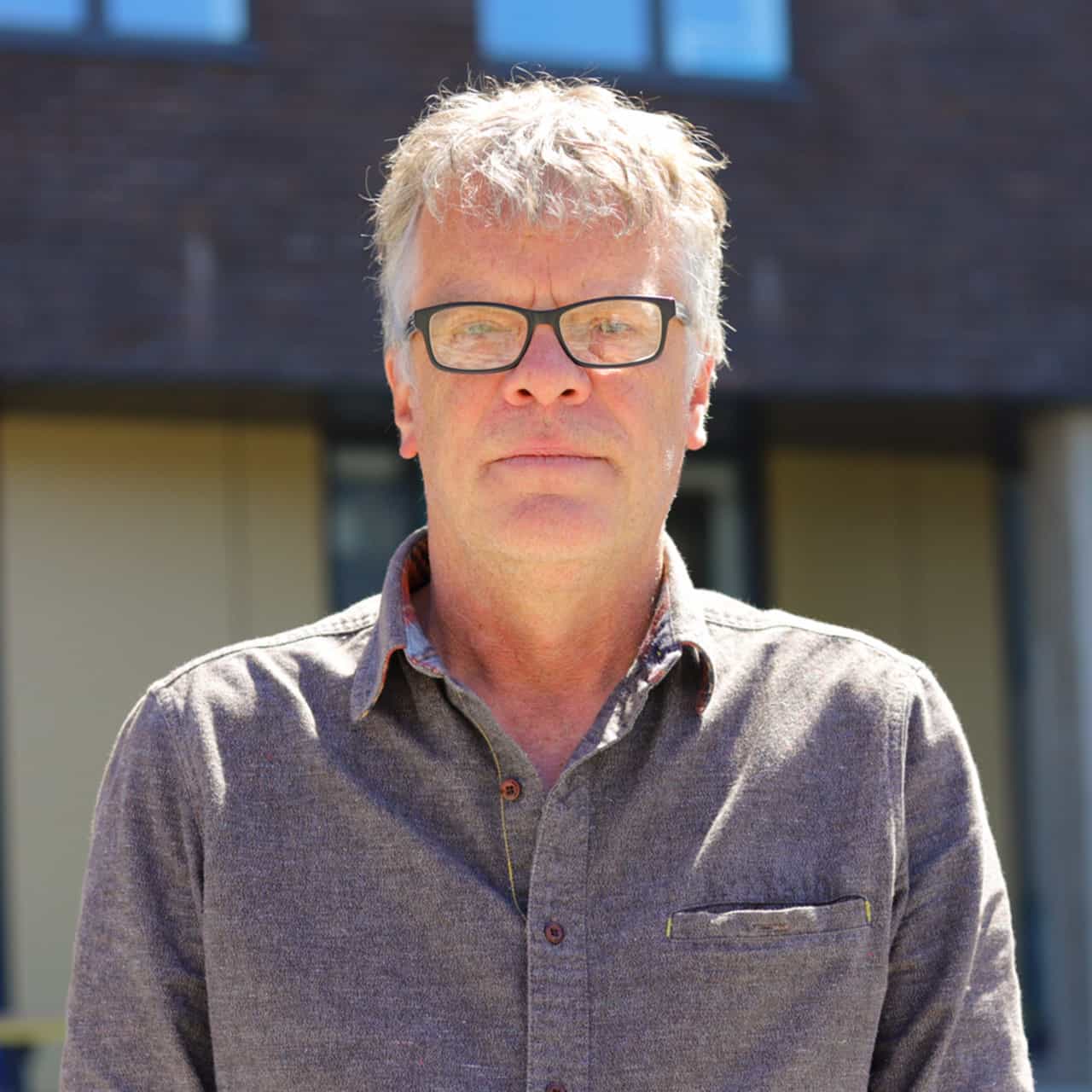
Ian Worden
Subject Leader: Media
Ian is an active sports journalist with contacts in the industry including BBC sports commentators, correspondents, social media officers and key figures in television graphics, marketing and communications, media operations and event management.
Many of his contacts regularly visit the university to share their world with students in the series of Sports Media Industry Talks.
Assessment
You will be assessed through a range of assignments, including:
- Project work
- Presentations
- Essays
- Seminar discussions.
Experience
Discover industry standard software and equipment
A Film School Built for the Real World
The University of Chichester’s Film School facilities at the Tech Park, Bognor Regis campus place students inside a professional film and screen production environment from day one.
Designed to reflect contemporary industry practice, the Tech Park enables students to develop creative, technical and collaborative skills using the same spaces and workflows found in professional film, television and broadcast production.
Industry-standard film and TV production spaces
At the heart of the Film School offer is access to facilities that support the entire screen production pipeline, from development and shooting through to post-production and exhibition:
- A 250-square-metre, three-storey sound stage, one of only a handful in the UK capable of accommodating large-scale productions and even a professional orchestra
- A dedicated green screen and motion capture studio, supporting visual effects, virtual production and contemporary screen storytelling
- Professional TV and film production studios, complete with green room facilities, enabling students to work in broadcast-ready environments
These spaces allow students to work on ambitious projects at scale, preparing them for the realities of professional production settings.
Professional post-production and screening facilities
Students complete their work using industry-aligned post-production facilities that mirror professional editorial houses:
- Nine dedicated edit suites, including a Soho-standard dubbing and mastering suite
- A screening theatre, designed for group critiques, narrative analysis, assessment screenings and public showcases
From rushes to final delivery, students keep their projects in-house, building confidence, autonomy and professional fluency.
Audio, sound and scoring for screen
Sound is treated as a core creative discipline within the Film School experience:
- Professional recording studios and live rooms, supporting dialogue recording, sound design, Foley and scoring
- Access to industry-standard audio software and control rooms used across film, TV and media production
This enables students to understand sound as a storytelling tool, not simply a technical add-on.
Learn with industry tools – not simulations
Film School students work in dedicated Mac and PC production suites, fully equipped with the software used across the screen industries, including professional editing, colour grading, sound and post-production platforms.
Teaching spaces are designed for hands-on learning, collaboration and critique, reflecting real-world creative workflows rather than classroom-only delivery.
A Film School connected to industry
The Tech Park is deliberately conceived as a shared educational and professional environment:
- Facilities are used for live briefs, visiting professionals, client projects and external productions
- Courses are shaped around industry expectations, ensuring graduates leave with strong portfolios, production experience and confidence working in professional settings
Students don’t just study film – they operate as filmmakers, supported by staff with industry backgrounds and facilities that encourage ambition.
Our sound stage is one of just three in the UK capable of holding a professional orchestra. The space has been used by renowned companies including Apple TV, ITV and the London Met Orchestra, and is also used by our students to bring their masterpieces to life.
Bognor Regis campus
Our Bognor Regis campus boasts our £35m Tech Park, beautiful Georgian architecture and is within walking distance of the sea.
Expert staff
Our industry-experienced staff get to know you and your learning needs to help you thrive.
Film and Green Screen Studios
Our specialist film and green screen studios allow you to develop professional level productions on campus.
Post-production facilities and recording studios
Discover our range of facilities for audio and visual media post-production.
Learning Resource Centre
The Learning Resource Centre (LRC) contains the library, a café, IT/teaching rooms, and the Support and Information Zone (SIZ).
Library
Our campus library holds more than 200,000 books and over 500,000 eBooks.
Guest Speakers
Gain unique insights from industry professionals
During the course, you will learn from industry-experienced lecturers and visiting sports journalists, professionals in television sport and radio, digital media specialists and sports marketers.
Previous guest speakers include:
- Steve Wilson – Match of the Day Commentator
- Ryan Morgan – Social Media Executive, Bristol City FC
- Ben Welch – Writer, Editor, Producer and Head of Video, FourFourTwo and Lead Channel Manager, SPORTbible
- Vivien Morgan – Pioneer in video and mobile journalism
- Sam Mason – Chelsea TV, Sky Sports and television sport graphics company Reality Check Systems
- Mike Costello – BBC Boxing and Athletics Correspondent
- Steve Bone – Chichester Observer Sports Editor.
Study Abroad
Explore the opportunity to study part of your course abroad
As a student at the University of Chichester, you can explore opportunities to study abroad during your studies to enrich your educational experiences.
It’s a chance to broaden your horizons, a great opportunity to meet new people, undertake further travelling and to immerse yourself within a new culture.
You will be fully supported throughout the process to help find the right destination and institution for you and your course. We can take you through everything that you will need to consider, from visas to financial support, to ensure you get the best out of your time studying abroad.
Careers
Prepare for your career within the sports media industry
This BA (Hons) Sports Media degree gives you the necessary skills to succeed in the workplace after you graduate. Sports media is a broad area with a thriving job market. When you graduate you could take part in graduate programmes, trainee schemes or apprenticeships presented by key broadcasters across a range of positions.
Most sports organisations have media officers and there are many additional roles in marketing, branding, sponsorship or advertising.
You could work in:
- Graphics
- Social media
- Journalism
- Marketing and advertising
- Photography
- Television/film production
Further Study
You may decide to continue your studies with a postgraduate journalism qualification or something else.
Postgraduate study options available at the University of Chichester include PGCEs and masters degrees:
- PGCE
- PhD Research
University of Chichester alumni who have completed a full undergraduate degree at the University will receive a 15% discount on their postgraduate fees.
Course Costs
Course Fees 2027/28
UK fee
£10,050
International fee
£17,354
EU/EEA Fee Reduction Scholarship
EU/EEA students automatically pay the equivalent of UK fees via the EU/EEA Fee Reduction Scholarship
For further details about fees, please see our Tuition Fees page.
For further details about international scholarships, please see our Scholarships page.
To find out about any additional costs on this course, please see our Additional Costs page.
Entry Requirements
Typical offer:
UCAS
104
tariff points from A levels or combination with Extended Project / BTEC / Cambridge Technical.
A Levels
BCC
BTEC/Cambridge Technical
DMM
Access to HE Diploma
Pass
International Baccalaureate
28 points
IELTS
6.0 overall
with no element lower than 5.5
Contextual offers
We believe everyone deserves an equal opportunity to pursue higher education, regardless of their background.
When we receive your application we consider your personal circumstances and the factors surrounding your achievements to see if you are eligible for a contextual offer. This is an offer with a reduced entry tariff – typically the equivalent of 16 fewer UCAS points (two A-level grades).
Applicants who are predicted to achieve two or more (A-level) grades better than the published typical offer will normally be made the typical offer, rather than a reduced offer. For example, where the predicted grades are BBB, and the published typical offer is BCC, a BCC offer would be made.
Find out more about our contextual offers.